





Last Updated: March 2026
Cooking with weed is both an art and a science — and the strains you choose matter as much as the techniques you use. Whether you're making cannabutter, cannabis-infused oils, edibles, or cooking with flower directly, the right marijuana strains produce better flavors, more consistent potency, and a more enjoyable end product. This guide covers the best weed strains for cooking and edibles in 2026.
Why Strain Choice Matters for Cannabis Cooking
Not all marijuana strains are equal in the kitchen. Two key factors determine whether a strain is good for cooking: its terpene profile and its cannabinoid content.
Terpene profile: Terpenes are the aromatic compounds that give cannabis its distinctive flavors — earthy, fruity, piney, spicy. These terpenes survive decarboxylation and infusion, contributing to the flavor of your final product. A strain with high myrcene content will impart earthy, herbal notes; one rich in limonene will add citrus brightness. Strains with pleasant, complex terpene profiles make significantly better edibles.
THCa/THC content: For edibles, you want predictable, consistent potency. Higher-THCa strains produce more potent edibles per gram of flower used. This matters for dosing — knowing your starting THCa percentage helps you calculate the approximate THC content of your finished edibles.
The Decarboxylation Step
Before any strain works as a cooking ingredient, it must be decarboxylated — heated to convert THCa to THC. Raw marijuana or THCa flower contains minimal active THC; the psychoactive effects of edibles come from the THC created during decarboxylation.
Standard decarboxylation: 240°F (115°C) for 40 minutes in a conventional oven, spread evenly on a parchment-lined baking sheet. This converts the majority of THCa to THC while preserving most terpenes. Higher temperatures destroy terpenes faster; lower temperatures require longer times. Get this step right and every strain on this list performs at its best.
Best Weed Strains for Cooking and Edibles
1. Blue Dream — Best All-Purpose Cooking Strain
Blue Dream's balanced terpene profile — myrcene, caryophyllene, pinene — produces a pleasant, herbal-sweet flavor when infused into butter or oil. Its 17-24% THC content delivers consistent potency without overwhelming dosing calculations. The resulting edibles are smooth and clear-headed in their effects — a sativa-leaning high that's approachable for most consumers. Blue Dream cannabutter is particularly excellent in baked goods where you want the cannabis flavor to complement rather than dominate. Full Blue Dream review here.
2. OG Kush — Best for Savory Edibles
OG Kush's earthy, piney, lemon-fuel terpene profile (myrcene-dominant with significant limonene and caryophyllene) pairs beautifully with savory dishes. Cannabis-infused OG Kush oil works exceptionally well in salad dressings, pasta dishes, or drizzled over savory foods. The flavor is robust and distinctive — it announces the cannabis presence without overwhelming. At 19-26% THC, OG Kush produces potent edibles with the classic OG high: cerebral, euphoric, then relaxing. Full OG Kush review here.
3. Gelato — Best for Sweet Edibles and Desserts
Gelato was practically made for dessert cooking. Its naturally sweet, creamy, fruity terpene profile (high in myrcene and caryophyllene with limonene and linalool notes) elevates any sweet application — cookies, brownies, ice cream, chocolate. When infused into butter or cream and used in baking, Gelato adds a distinct sweetness that complements dessert ingredients rather than fighting them. The hybrid high — euphoric and balanced — makes Gelato edibles great for social situations. Full Gelato review here.
4. Granddaddy Purple — Best for Relaxation Edibles
Granddaddy Purple's grape and berry terpene signature (myrcene-dominant with pinene) creates beautifully flavored edibles with distinct purple-grape character. GDP-infused gummies, hard candies, or fruit-based recipes benefit enormously from these natural flavors. The indica-dominant effects — sedating, body-heavy, great for sleep — make GDP edibles ideal for evening use or therapeutic purposes like pain and insomnia management. This is the strain to choose when you're making edibles specifically for relaxation or sleep support.
5. Cannatonic — Best for Low-Potency and CBD-Balanced Edibles
Cannatonic (5-12% THC, 5-12% CBD) is ideal when you want edibles with balanced, mild psychoactive effects and the therapeutic benefits of CBD. Its earthy, slightly sweet flavor works well in most applications, and the 1:1 CBD-to-THC ratio makes dosing more forgiving — CBD modulates THC's effects, reducing anxiety and making the experience more consistent for sensitive consumers. Cannatonic edibles are excellent for daytime use, pain management, and as an introduction for new edibles consumers. Full Cannatonic review here.
6. Pineapple Express — Best for Tropical and Fruit-Forward Edibles
Pineapple Express's distinct tropical, fruity terpene profile (terpinolene-dominant with myrcene and caryophyllene) makes it one of the most flavor-forward strains for cooking. The pineapple-mango-pine flavor translates beautifully into tropical fruit preparations: mango smoothies, pineapple dishes, tropical gummies, or any recipe with complementary fruit flavors. The sativa-leaning high is uplifting and energetic — perfect for edibles intended for social or active occasions.
Cannabutter vs. Cannabis Oil: Which Is Better for Cooking?
Both have their place in cannabis cooking:
Cannabutter: Best for baked goods, cookies, brownies, and any recipe calling for butter. Fat-soluble cannabinoids bind efficiently to butterfat. The flavor of cannabutter is rich and herbal — it pairs best with recipes where butter flavor is expected. Most home cannabis cooks start here.
Cannabis oil (coconut oil or olive oil): More versatile for savory cooking, capsule-making, and recipes calling for oil rather than butter. Coconut oil's high saturated fat content makes it particularly efficient at binding cannabinoids. Olive oil infusions (especially with OG Kush or a savory-terpene strain) are excellent for salad dressings and savory applications.
Dosing Your Cannabis Edibles
The golden rule of edibles: start low, wait long. The formula for estimating edible potency:
1 gram of flower with 20% THCa contains approximately 200mg of THCa. With typical decarboxylation efficiency (~80%), that yields about 160mg of THC. Infused into 1 cup of butter (which might make 24 cookies), that's approximately 6.7mg THC per cookie — a moderate dose for most consumers.
Standard beginner dose: 5-10mg THC. Experienced consumer dose: 10-25mg. High-tolerance dose: 25mg+. Always start at the low end of your estimated dose and wait 60-90 minutes before consuming more — edibles take significantly longer to kick in than smoked or vaped marijuana.
2026 Legal Status
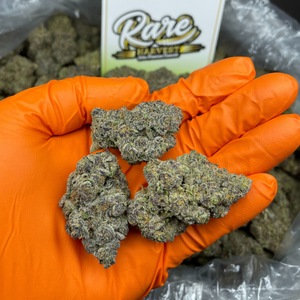
All Rare Harvest THCa flower recommended for cooking is federally legal under the 2018 Farm Bill, containing less than 0.3% delta-9 THC by dry weight. Browse our flower collection to find cooking strains.
Frequently Asked Questions
What is the best weed strain for making cannabutter?
Blue Dream, OG Kush, and Gelato are the top picks for cannabutter. Blue Dream for versatile, all-purpose butter; OG Kush for savory applications; Gelato for sweet baked goods. All have terpene profiles that enhance rather than clash with food flavors.
How much flower do I need to make edibles?
A common starting ratio: 7-10 grams of flower (decarboxylated) per 1 cup of butter or oil. This produces moderately potent cannabutter — adjust up for stronger edibles or down for milder effects.
Do I need to decarboxylate THCa flower before cooking with it?
Yes. Raw THCa flower is not psychoactive. You must decarboxylate it first (240°F for 40 minutes) to convert THCa to THC before infusing it into butter or oil. Skipping this step results in non-psychoactive edibles.
Which strain makes the best-tasting edibles?
Gelato for sweet applications, OG Kush for savory, and Pineapple Express for tropical-flavored edibles. The key is matching the strain's natural terpene character to the flavor profile of your recipe.
Find your perfect cooking strain at Rare Harvest's THCa flower collection — lab-tested potency means more accurate edible dosing every time.