




Marijuana Consumption Methods: The Complete Guide
Cannabis offers remarkable consumption flexibility unavailable with most substances. Users can smoke, vape, consume edibles, dab concentrates, apply topicals, use tinctures, or try beverages-each method producing dramatically different experiences. Understanding these consumption methods-their onset times, duration, intensity, health considerations, and practical advantages-allows selecting the approach perfectly matching your lifestyle, health priorities, and desired effects. This comprehensive guide covers every primary marijuana consumption method, providing detailed information allowing informed selection.
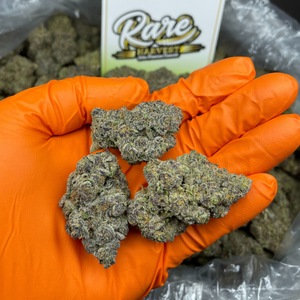
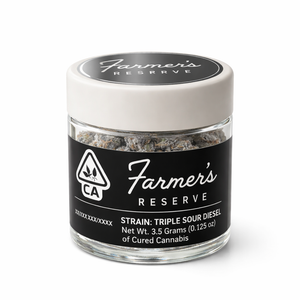
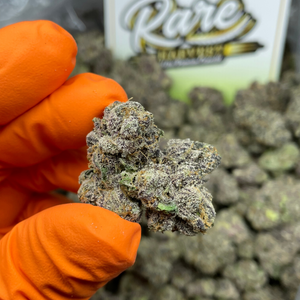
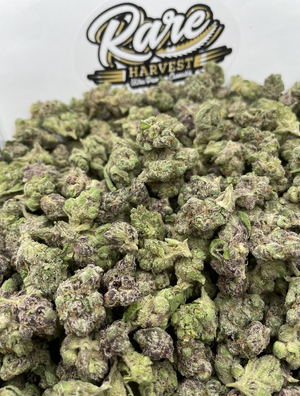
All Rare Harvest products come direct from the farm - the freshest, most potent exotic weed available anywhere.
Smoking Flower (Joints, Pipes, Bongs)
Overview
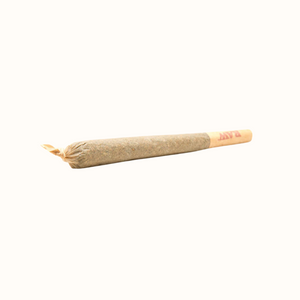
Smoking remains cannabis's most traditional consumption method. Flower is ignited in papers (joints), pipes, or water-filtered devices (bongs), with smoke inhaled into the lungs where cannabinoids are absorbed into the bloodstream.
Onset and Duration
Onset: Effects begin within 1-3 minutes of first inhalation, with peak effects at 15-30 minutes.
Duration: Main effects last 2-4 hours, with residual effects up to 6 hours.
Advantage: Rapid onset allows immediate effects and easy dose control through inhalation amount.
Pros and Cons
Advantages: Fastest onset, simplest consumption (minimal equipment), immediate feedback for dose control, social experience, ritual appeal, inexpensive equipment.
Disadvantages: Harsh on lungs with regular use, strong odor, combustion byproducts, inefficient cannabinoid extraction (50-60% bioavailability), requires skill for optimal rolls.
Health Considerations
Smoking produces lung irritation and chronic cough with regular use. Rare or occasional smoking has minimal respiratory impact. Daily smoking produces significant respiratory effects comparable to tobacco smoke (though less carcinogenic). Bongs filter some smoke, reducing harshness but not eliminating respiratory risk.
Vaping Dry Herb
Overview
Dry herb vaporizers heat flower to 300-450°F, vaporizing cannabinoids and terpenes without combustion. Portable devices allow small-quantity vaping; desktop units offer superior vapor quality.
Onset and Duration
Onset: Effects begin within 3-7 minutes, with peak at 15-30 minutes (slightly slower than smoking).
Duration: Main effects last 2-4 hours, similar to smoking.
Pros and Cons
Advantages: Healthier than smoking (no combustion toxins), superior flavor preservation, higher cannabinoid bioavailability (80-90% vs 50-60% for smoking), minimal odor (vapor dissipates quickly), no smoke harshness, discreet consumption.
Disadvantages: Equipment costs ($50-400), requires learning temperature control, slightly slower onset than smoking, maintenance/cleaning needs.
Health Considerations
Vaping has dramatically lower health risks than smoking. Vapor doesn't produce chronic cough or respiratory symptoms. Long-term data is limited, but short-term studies show no respiratory damage from vaping. This is significantly healthier than smoking for regular users.
Vaping Concentrates and Cartridges
Overview
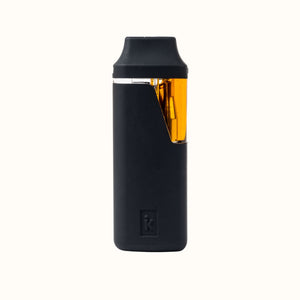
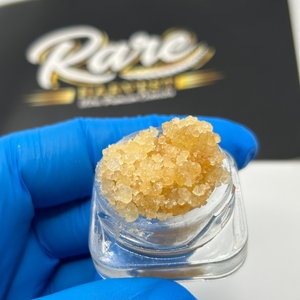
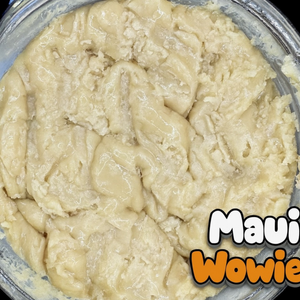
Concentrates (wax, shatter, live resin) are vaped in dab rigs with heated nails or specialized concentrate vape pens. Pre-filled cartridges provide portable, convenient concentrate consumption.
Onset and Duration
Onset: Effects begin within 2-5 minutes, peak at 15-20 minutes.
Duration: Effects last 1.5-3 hours (shorter than flower vaping).
Pros and Cons
Advantages: Extreme potency (60-90% THC), small quantities needed, excellent flavor (especially live resin), discreet cartridge consumption, precise dosing (cartridges often show mg THC).
Disadvantages: Expensive (high per-mg cost), intense effects (dependency risk), lower flower efficiency per dollar, counterfeit cartridge risks, requires equipment for dabs.
Health Considerations
Concentrate vaping has similar health profiles to flower vaping-no combustion, minimal respiratory risk. However, the intense effects carry psychological risks (rapid tolerance, psychological dependence). Concentrates should be consumed mindfully despite their physical safety.
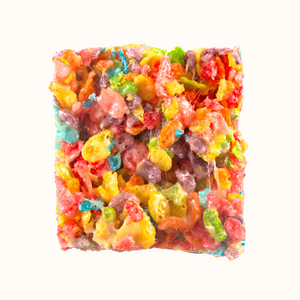
Edibles (Gummies, Baked Goods, Chocolates, Drinks)
Overview
Cannabis-infused foods are consumed orally, metabolized through the digestive system and liver rather than inhaled into lungs.
Onset and Duration
Onset: Effects begin 30-90 minutes after consumption (highly variable based on food, metabolism, stomach contents).
Peak: Maximum effects at 2-4 hours.
Duration: Main effects last 4-8 hours, residual effects up to 12 hours.
Unique Advantage: Delayed onset allows microdosing and precise effects; extended duration provides sustained effects ideal for sleep or all-day symptom management.
Pros and Cons
Advantages: Discreet and convenient, precise dosing (specific mg per piece), no respiratory effects, no smoke/odor, extended effects ideal for sleep/medical use, diverse product variety.
Disadvantages: Delayed onset (no immediate feedback for dose control), intense duration (extended commitment), effects vary dramatically by individual, overdose risk if impatient, effects depend on food/metabolism.
Health Considerations
Edibles have zero respiratory impact. However, new users commonly overconsume due to delayed onset, not realizing effects haven't arrived. This can result in unexpectedly intense experiences. Starting with 2.5-5mg and waiting 2+ hours before redosing prevents this.
First-Timer Protocol
Never exceed 5mg THC for first edible experience. Consume with food, wait 2 hours minimum before assessing effects. Effects may be subtle on first try; this is normal and safe. Only increase dose after confirming 5mg was tolerable.
Dabbing Concentrates with Dab Rigs
Overview
Dab rigs are specialized devices using torches and heated nails to instantly vaporize concentrate portions. The intense heat immediately decarboxylates and vaporizes concentrate, producing potent vapor.
Onset and Duration
Onset: Immediate effects within seconds to minutes.
Peak: Maximum effects at 15-30 minutes.
Duration: Effects last 1-3 hours (shorter than flower).
Pros and Cons
Advantages: Extreme potency, small quantities consumed, rapid onset, excellent flavor (especially with low-temp dabbing), efficient cannabinoid delivery.
Disadvantages: Equipment expensive ($100-500+ for quality rigs), steep learning curve, safety risk (torch burns), intense effects, short duration, high dependency risk.
Health and Dependency Considerations
Dabbing is physically safe (no combustion, minimal respiratory risk). Psychologically, the extreme potency and rapid onset carry dependency risks. Regular dabbers often develop strong tolerance and psychological dependence. Occasional dabbing is fine; frequent dabbing warrants mindfulness about usage patterns.
Tinctures (Marijuana Extracts in Oil)
Overview
Cannabis tinctures are concentrates dissolved in alcohol or oil, applied sublingually (under the tongue) where cannabinoids absorb through mucous membranes, bypassing digestive processing.
Onset and Duration
Onset: 15-45 minutes (faster than edibles, slower than smoking).
Peak: Effects plateau at 1-2 hours.
Duration: Main effects last 4-6 hours.
Pros and Cons
Advantages: Portable, discreet, precise dosing (ml measurements), no respiratory effects, customizable strength, relatively affordable.
Disadvantages: Delayed onset (not as fast as smoking), taste can be unpleasant, effects vary by absorption efficiency, requires dropper for measurement.
Application Method
Apply tincture drops under the tongue and hold for 30-60 seconds before swallowing. This sublingual absorption bypasses digestive processing, providing faster onset than edibles. If tincture is swallowed immediately, onset is closer to edibles.
Topicals (Creams, Lotions, Balms)
Overview
Cannabis-infused topicals are applied directly to skin. Cannabinoids absorb through skin layers and interact with local CB2 receptors without entering bloodstream significantly (minimal systemic absorption).
Onset and Duration
Onset: 15-45 minutes.
Peak: Effects plateau at 1-2 hours.
Duration: Main effects last 3-6 hours.
Pros and Cons
Advantages: No respiratory effects, no systemic intoxication (THC doesn't enter bloodstream meaningfully), targeted pain/inflammation relief, discreet application, safe for work/public.
Disadvantages: No intoxicating effects (produces no "high"), limited to local pain/inflammation relief, delayed onset, variable absorption depending on skin condition, quality varies dramatically.
Primary Use: Pain and Inflammation
Topicals excel for localized pain (arthritis, muscle strain, headache) and inflammation. Cannabinoid-rich topicals reduce inflammation and pain through CB2 receptor activation without producing intoxication. They're ideal for daytime use when mental effects are undesired.
Note: Most topicals don't penetrate deeply enough for full-body effects. They're best for surface-level and shallow pain/inflammation.
Marijuana Beverages
Overview
Cannabis-infused drinks (sodas, teas, waters, cocktails) are consumed orally like edibles but in beverage form. Some drinks use distillate, others use nano-emulsion technology for faster absorption.
Onset and Duration
Onset: Standard drinks: 30-90 minutes. Nano-emulsion drinks: 15-30 minutes (faster absorption).
Duration: 4-8 hours depending on formula.
Pros and Cons
Advantages: Convenient, precise dosing, no respiratory effects, social consumption like regular drinks, growing product variety.
Disadvantages: Still subject to delayed onset confusion (people overconsume waiting for effects), variable absorption, expensive.
Choosing the Right Consumption Method
For Maximum Convenience
Choose edibles or pre-filled vape cartridges. Both are discreet, portable, and require minimal preparation.
For Health-Conscious Users
Choose vaping (flower or concentrates). Vaping eliminates combustion toxins and respiratory damage from smoking.
For Rapid Effects
Choose smoking or dabbing. Both provide effects within minutes of consumption.
For Sleep Support
Choose edibles. Extended effects lasting 6-8 hours provide all-night sleep support.
For Work or Daytime
Choose vaping (high-limonene strains for uplifting effects). Rapid onset and short duration allow lunchtime consumption without afternoon impacts.
For Social Situations
Choose joints/smoking or vape cartridges. Both allow group sharing and immediate dose control.
For Medical Symptom Management
Choose method based on symptoms: edibles for sleep/nausea, vaping for pain/anxiety, topicals for localized pain, tinctures for flexible dosing.
Mixing Consumption Methods
Many experienced users employ multiple consumption methods depending on situation. Morning vaping for daytime effects, evening edibles for sleep support, topicals for pain, tinctures for medical management. This flexibility allows optimizing cannabis use across varied needs.
Getting Started: Your First Consumption Method
If completely new to marijuana, start with smoking or vaping flower from Rare Harvest. These methods provide immediate feedback, allowing easy dose control. Try both smoking and vaping to experience the difference. After establishing comfort, explore other methods (edibles, concentrates, topicals) once you understand your baseline response to cannabis.
Conclusion
Cannabis offers unparalleled consumption flexibility. Each method-smoking, vaping, edibles, concentrates, tinctures, topicals, beverages-provides distinct onset, duration, intensity, and lifestyle suitability. Understanding these differences allows selecting the consumption method perfectly matching your health priorities, desired effects, lifestyle, and preferences. Explore multiple methods to discover your personal optimal approach to cannabis consumption.