




Cannabis Decarboxylation: The Complete Science Guide to Decarbing Marijuana
Decarboxylation stands as one of the most important yet frequently misunderstood aspects of marijuana preparation, especially for anyone creating edibles or cannabis-infused products at home. Many people new to creating weed products don't realize they're missing a critical step that directly impacts potency and effectiveness. This comprehensive guide explains what decarboxylation is, why it's absolutely necessary, the precise temperatures and times that matter, and practical methods for properly decarbing cannabis.
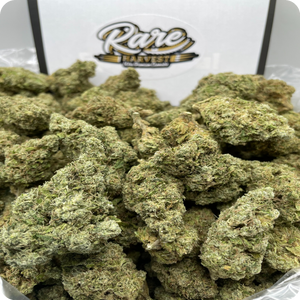
Rare Harvest cuts out the middlemen. Your exotic weed ships direct from the farm to your door.
Understanding Marijuana Decarboxylation: The Science
Raw marijuana contains cannabinoids in their acidic form-THCA (tetrahydrocannabinolic acid) rather than THC, and CBDA rather than CBD. These acidic cannabinoids have negligible psychoactive effects. The "A" at the end (for "acid") represents a carboxyl group (a CO2 molecule) attached to the cannabinoid molecule. Decarboxylation is the chemical process that removes this carboxyl group, converting THCA to THC and CBDA to CBD.
This conversion happens naturally when weed is smoked or vaporized-the heat instantly decarboxylates cannabinoids, making them bioavailable and psychoactive. However, when creating edibles or cannabis-infused products, the relatively low cooking temperatures of typical infusions don't generate enough heat to sufficiently decarb the cannabis. Without preliminary decarboxylation, the raw cannabinoids remain in their acidic, inactive forms, resulting in weak or ineffective edibles and products.
The solution is pre-decarboxylation: heating marijuana to a specific temperature for a specific duration before infusing it into oils, butters, or other edible mediums. This preliminary step converts acidic cannabinoids to their active forms, ensuring that your finished products actually deliver the effects and potency you expect.
Why Decarboxylation Is Absolutely Essential for Edibles
Understanding why decarboxylation matters helps you appreciate its importance. If you prepare cannabis edibles without decarbing, you're essentially infusing your product with THCA and CBDA-compounds that produce minimal effects even in substantial quantities. You could consume an entire serving and feel almost nothing because the cannabinoids aren't in their active forms.
Even experienced cannabis consumers sometimes skip decarboxylation because they underestimate its importance. The result is disappointing edibles that fail to produce expected effects. This leads many people to incorrectly conclude that edibles "don't work for them," when the real issue was missing decarboxylation in preparation.
Proper decarboxylation transforms your edibles from potentially ineffective products to reliable, potent edibles that consistently deliver effects. This single step is what separates amateur homemade edibles from professional-quality products.
Optimal Decarboxylation Temperatures and Times
The precise temperature and duration matter significantly for decarboxylation. Too low a temperature or too short a duration leaves cannabinoids partially unactivated. Too high a temperature or too long duration damages terpenes and oxidizes cannabinoids, reducing potency and flavor.
The optimal decarboxylation temperature range for marijuana is 240-250°F (115-121°C). At this temperature, THCA converts efficiently to THC while minimizing cannabinoid degradation and terpene loss. The exact duration depends on the form of cannabis being decarboxylated:
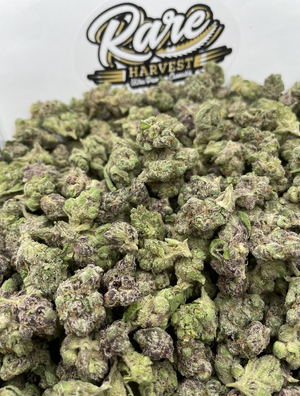
Flower Decarboxylation: Grind or break flower into small pieces (not too fine-about pea-sized pieces). Spread evenly on a baking sheet. Decarb at 245°F for 25-35 minutes. The cannabis should appear slightly toasted with a subtle color change but shouldn't be brown or burned. You'll notice a slight marijuana aroma during decarboxylation-this is normal.
Trim and Leaf Decarboxylation: Decarb for 30-45 minutes at the same temperature, as trim and leaf have lower density and may require slightly longer exposure to fully activate all cannabinoids.
Kief Decarboxylation: Decarb kief (which is more concentrated) for 10-15 minutes at 245°F. Kief's higher potency and lower density require less time. Watch carefully to prevent overheating.
The timing and temperature are somewhat flexible. Ranges of 240-250°F and 20-40 minutes (depending on material) will all produce acceptable decarboxylation without excessive degradation. However, staying within the narrower range (245°F for 30 minutes is the most recommended starting point) provides the best results.
The Oven Method: Standard Home Decarboxylation
The oven method is the most accessible decarboxylation technique for home use. It requires no specialized equipment beyond an oven, baking sheet, and basic kitchen supplies.
Step 1: Prepare Your Oven
Preheat your oven to 245°F. Oven accuracy is important-use an oven thermometer to verify actual temperature, as many home ovens run hot or cool. If your oven runs hot, adjust the temperature slightly lower. Give the oven 15-20 minutes to fully reach temperature.
Step 2: Prepare Your Cannabis
Grind or break cannabis flower into small pieces. The goal is even heating without creating a fine powder that can burn easily. For trimming, break into smaller pieces. For kief, simply spread it on the baking sheet.
Step 3: Line Your Baking Sheet
Line a baking sheet with parchment paper to prevent sticking and simplify cleanup. Some people use glass baking dishes instead. The goal is even heat distribution across the cannabis.
Step 4: Spread Cannabis Evenly
Spread marijuana in a single, even layer on the prepared baking sheet. Uneven layers result in some cannabis decarbing more than others. Ideally, cannabis should be about ¼ inch deep.
Step 5: Bake at Proper Temperature
Place the baking sheet in your preheated 245°F oven for 30 minutes (adjust based on material type as described above). Set a timer-don't guess. Consistency comes from exact timing.
Step 6: Monitor for Proper Coloration
After about 20 minutes, you can open the oven briefly to check progress. You're looking for a light to medium toasting color-the marijuana should be noticeably darker than raw cannabis but shouldn't be brown or blackened. If it looks too dark, remove it immediately.
Step 7: Cool Completely
Remove the baking sheet from the oven and allow cannabis to cool to room temperature before use. Hot marijuana is fragile and can degrade further if handled immediately.
Advanced Decarboxylation: Mason Jar Method
The mason jar method (sometimes called the "closed system" method) involves decarboxylating cannabis inside a sealed mason jar rather than directly on a baking sheet. The advantage is that volatile terpenes remain in the jar rather than escaping as aromatic compounds during decarboxylation. This preserves more terpenes and flavor.
Place ground cannabis in a mason jar loosely (don't pack it). Loosely screw on the lid (don't seal completely-leave a slight opening). Place the jar in a 245°F oven for 30-45 minutes (slightly longer than sheet decarboxylation because the closed system heats more gently). The slight opening allows pressure to release while keeping most terpenes contained.
This method requires care-the jar gets extremely hot, and tightening the lid while hot can create pressure issues. Only use this method if you're comfortable with the process and take proper safety precautions.
Decarboxylation for Different Desired Outcomes
For Maximum THC Potency: Use the standard method at 245°F for 30 minutes. This converts maximum THCA to THC while preserving overall potency.
For Terpene Preservation and Flavor: Use lower temperatures (even 220°F) for longer duration (40-50 minutes), or use the mason jar method. Some terpene loss is inevitable, but lower temperatures minimize it.
For CBD-Dominant Edibles: Same decarboxylation process converts CBDA to CBD. The temperature and timing remain identical-45°F for 30 minutes converts both THCA and CBDA.
For Balanced THC and CBD: Use the standard decarboxylation process. Both cannabinoids convert simultaneously at the same temperature.
Common Decarboxylation Mistakes and Solutions
Mistake: Burning Marijuana (Too Hot or Too Long)
Solution: Use an oven thermometer to verify temperature accuracy. Set a timer and stick to recommended times. If marijuana appears brown, it's likely over-decarboxylated and potency will be reduced.
Mistake: Uneven Decarboxylation (Some Cannabis Darker Than Others)
Solution: Spread cannabis in a thin, even layer. If your oven has hot spots, rotate the baking sheet halfway through.
Mistake: Under-Decarboxylation (Cannabis Isn't Cooked Enough)
Solution: Stick to the minimum recommended time (30 minutes at 245°F). If concerned about activation, add 5 minutes rather than removing early. Under-decarboxylated cannabis produces weak edibles.
Mistake: Grinding Marijuana Too Fine
Solution: Aim for pea-sized pieces. Fine powder decarbs too quickly and can scorch easily.
Using Decarboxylated Cannabis in Edibles and Infusions
After decarboxylation, your marijuana is ready for infusion into butters, oils, coconut oil, or other mediums. The decarboxylated cannabis can then be infused through gentle heating (low temperatures, 160-200°F) over 1-4 hours, or through room-temperature infusion over several days or weeks.
The decarboxylation step is complete at this point-additional cooking during infusion simply transfers the already-activated cannabinoids into the oil or butter medium. Many home infusions happen at temperatures lower than decarboxylation, which is fine because the cannabinoids are already activated.
Storage and Preservation After Decarboxylation
Decarboxylated cannabis should be stored properly to preserve potency. Keep it in an airtight container in a cool, dark location. Avoid heat, light, and oxygen exposure, which degrade cannabinoids. Properly stored decarboxylated marijuana maintains potency for several months. Many people decarboxylate larger quantities and store decarboxylated cannabis for later use, which is a practical approach.
FAQ: Cannabis Decarboxylation Questions
Q: Can I decarboxylate cannabis without an oven?
A: Yes, alternatives include sous vide (vacuum-sealed marijuana in hot water at precise temperature) or specialized cannabis decarboxylation devices. However, the oven method is most accessible and effective.
Q: What temperature should I use if my oven doesn't go as low as 245°F?
A: Use the lowest temperature available and extend the time. 250°F for 30 minutes is nearly identical to 245°F for 30 minutes. Avoid exceeding 300°F, as this will damage cannabinoids.
Q: Does decarboxylation smell?
A: Yes, decarboxylation produces a noticeable cannabis aroma. Open windows and use ventilation fans to manage odor.
Q: Can I decarboxylate marijuana concentrates?
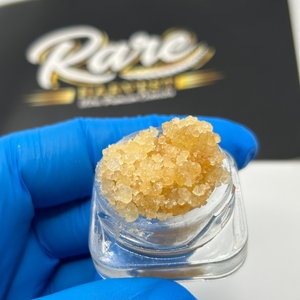
A: Most concentrates are already decarboxylated during processing. However, some concentrates like raw rosin or raw sugar are not decarboxylated and benefit from decarboxylation before use in edibles.
Making Decarboxylation Part of Your Edible Routine
Decarboxylation is the foundational step that ensures edibles and cannabis-infused products deliver reliable effects and consistent potency. Taking time to understand proper temperature, duration, and technique transforms your homemade creations from potentially ineffective products to reliable edibles. Whether you're creating infused edibles or tinctures, proper decarboxylation ensures you get maximum value from your cannabis investment. Making decarboxylation a standard part of your preparation process guarantees that every edible you create will be both effective and potent.