






Caryophyllene-Rich Weed Strains for Anxiety Relief — Exotic Marijuana Guide
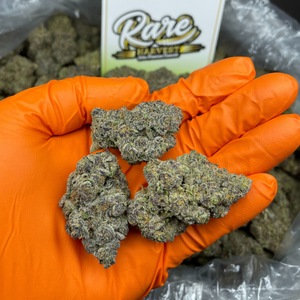
If you're looking for weed strains high in Caryophyllene to support anxiety relief, you've found the right guide. Caryophyllene is one of the most fascinating terpenes in cannabis — and it plays a real role in shaping how your weed hits. Here's what you need to know and which exotic strains to reach for at Rare Harvest.
What Caryophyllene Brings to Your Weed
Caryophyllene is known for its anti-inflammatory, stress-reducing qualities. Its flavor profile runs toward spicy, peppery, woody. When present in high concentrations, Caryophyllene meaningfully shifts the experience toward anxiety relief — which is why knowledgeable weed enthusiasts seek it out specifically for this effect.
Best Exotic Caryophyllene Strains for Anxiety Relief
Blue Lobster
Blue Lobster is a hybrid with a notable Caryophyllene presence in its terpene profile. For anxiety relief, it delivers a well-rounded experience that balances potency and nuance. A top choice for weed lovers who want to target anxiety relief with exotic genetics.
Biscotti
Biscotti is a indica known for complex terpene expression including Caryophyllene. Weed enthusiasts who prioritize anxiety relief consistently return to Biscotti for its reliable, consistent results.
Wedding Cake
Wedding Cake is a hybrid from Rare Harvest's exotic catalog that expresses Caryophyllene beautifully. For anxiety relief, it's a strong contender — smooth, effective, and genuinely exotic.
Shopping for Caryophyllene-Rich Weed
The best way to find high-Caryophyllene marijuana is to shop from specialty exotic weed sources that publish terpene data and prioritize genetic integrity. Mass-market dispensary flower often has depleted terpene profiles — which means less Caryophyllene and worse results for anxiety relief.
Rare Harvest's exotic weed collection features hand-selected strains with strong terpene profiles, shipped nationwide.
All Rare Harvest products are derived from federally legal hemp and contain Delta-9 THC at or below 0.3% by dry weight, per the 2018 Farm Bill. Not medical advice. Consult a healthcare professional for medical conditions.