





How to Roll a Joint: Complete Step-by-Step Guide to Rolling Weed Perfectly
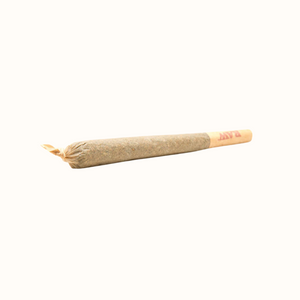
Rolling a joint-wrapping ground marijuana in rolling paper to create a smokable product-is one of the most iconic cannabis consumption methods. For many people, learning to roll a joint represents a rite of passage in marijuana use. However, rolling a proper joint involves technique that many don't naturally master on their first attempt. This comprehensive guide walks you through rolling perfectly formed joints, explains what supplies you need, troubleshoots common mistakes, and explores variations on classic joint rolling.
We ship every order direct from the farm, ensuring you get the freshest exotic marijuana possible.
Understanding Joint Rolling: Why It's Popular
Joints remain extremely popular despite newer consumption methods like vaping and edibles. The appeal is straightforward: rolling papers, filters, and ground cannabis are inexpensive and readily available. Rolling requires minimal equipment-just papers, cannabis, and a rolling surface. The process is fast once you master the technique. Joints provide reliable effects with controllable potency through portion size. The social aspect of joints-sharing a passed joint in a group setting-appeals to many.
Additionally, rolling a joint is a skill that, once mastered, becomes almost meditative and ritualistic. Many marijuana users find the rolling process itself enjoyable and calming. Understanding proper technique ensures your joints burn evenly, smoke smoothly, and deliver consistent effects.
Essential Supplies for Joint Rolling
Rolling Papers: Papers come in various sizes (regular, 1.25-inch, king-size) and materials (wood pulp, rice, hemp). Most common are king-size papers for thicker joints or regular papers for smaller portions. Choose thinner, slow-burning papers for the best experience-ultra-thin papers from brands known for quality produce smoother joints.
Filter Tips (Crutches): Also called crutches, these small rolled pieces of filter material create a mouthpiece and prevent cannabis from falling out the end. You can purchase pre-made filters or create them by rolling a small piece of cardboard or paper. Many people use the cardboard from rolling paper packs.
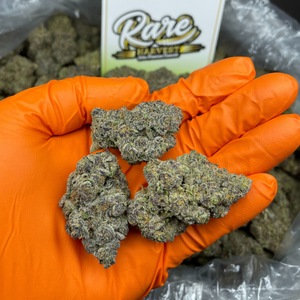
Cannabis (Flower): Use fresh, properly dried cannabis, not overly damp or excessively dry. The moisture content affects rolling ease-very dry marijuana crumbles and becomes harsh; damp cannabis is difficult to light and smolders.
Grinder or Cutting Tool: Ground cannabis rolls more evenly than large pieces. A small herb grinder ($5-15) is ideal for consistent texture. You can also hand-break marijuana into small pieces, though a grinder produces superior results.
Rolling Surface: A small flat surface-rolling tray, plate, or even a magazine-helps contain materials while rolling.
Step-by-Step Guide to Rolling a Joint
Step 1: Prepare Your Marijuana
Grind your cannabis into small, relatively uniform pieces. The goal is evenly textured material-not powder-fine (too thin and dusty) but not large chunks (won't burn evenly). Grind until pieces are about the size of small peas. Remove any stems or larger debris, which don't smoke well and can puncture papers.
Step 2: Create Your Filter (Crutch)
Roll a small piece of cardboard (roughly 2 inches by 0.5 inches) into a firm tube with a circular cross-section about the diameter of a pencil. The filter prevents weed from falling through the joint end and creates a comfortable mouthpiece. Many people use cardboard from rolling paper packs-these are pre-designed to be filters. Roll it tightly so it holds its shape.
Step 3: Prepare Your Rolling Paper
Take a single rolling paper and hold it horizontally with the glued edge facing you (the thin line of gum along one long edge). The paper should be in landscape orientation, with the glued edge at the top.
Step 4: Create the Marijuana Bed
Place your filter at the left end of the paper (or whichever end you prefer). Along the entire length of the paper, create an even line of ground cannabis, leaving about half an inch at the right end for the final roll. The marijuana bed should form a small ridge running the length of the paper. The amount determines joint thickness-more weed for thicker joints, less for thin ones. A typical joint uses 0.5-1 gram of cannabis.
Step 5: The Crucial Rolling Motion
This is the most important step. Using your thumbs and forefingers, gently roll the paper back and forth between your fingers, shaping the cannabis into a tight cylinder within the paper. The rolling motion distributes marijuana evenly and compresses it slightly, creating a consistent density. Roll back and forth several times, applying gentle downward pressure to compact the cannabis without crushing it.
The key is gentle, consistent rolling. If you crush too hard, the joint becomes overly tight and difficult to smoke. If you don't roll enough, the joint is loose and burns unevenly. You're aiming for medium compression that you can practice to understand through feel.
Step 6: Tuck the Paper
Once the cannabis is properly shaped and compressed, begin rolling the paper. Start with the front edge (the non-glued edge facing you) and roll it around the marijuana cylinder. Tuck this edge under the cannabis and continue rolling, keeping tension and maintaining the cylinder shape as you roll.
Step 7: Seal the Joint with the Gum Line
Continue rolling until the glued edge (which started at the top/back) approaches you. Lick the gum line along this edge-a light lick provides enough moisture to activate the adhesive. Roll this glued edge over the seam, pressing gently to seal it completely. The paper should now form a complete cylinder around the cannabis with no gaps.
Step 8: Finalize the Joint
Gently roll the sealed joint between your fingers to ensure even compression and proper seal. If you see any loose areas, gently compress them. Tap the filter end on a surface to settle marijuana toward the smoking end, creating a slightly empty space at the filtered end.
Step 9: Perfection Finishing Touches
Fold the excess paper at the unfiltred end down and into the joint, creating a pointed end that you can lightly twist into a small cone. This prevents cannabis from falling out the opposite end and seals the joint completely. Some people leave this end open for easier lighting; others seal it completely. Either approach works.
Variations: Cone-Shaped Joints and Pre-Rolled Cones
Cone Method: Rather than rolling a cylinder, you can roll papers into a cone shape (wider at the filter, narrower at the tip). Cone joints hold more cannabis and roll more easily than cylinders once you master the shape. Many people find cones simpler than cylinders. The technique is similar except you don't create an even thickness throughout-instead, the paper wraps in a cone rather than a cylinder.
Pre-Made Cone Papers: Various manufacturers sell pre-rolled cone papers with filter already attached. You simply fill the cone with ground marijuana and twist the end. These eliminate rolling challenges and are excellent for beginners or those who struggle with manual rolling. However, cone papers cost more than regular papers.
Common Joint Rolling Mistakes and Solutions
Problem: Joint is too tight and difficult to smoke
Solution: You're compressing cannabis too much during rolling. Use lighter pressure during the rolling motion. A joint should be firm enough to hold together but loose enough that air flows easily.
Problem: Cannabis falls out the end
Solution: You're either not using a filter or not twisting the end properly. Always use a filter, and fold the excess paper neatly at the unfiltred end.
Problem: Joint burns unevenly with one side burning faster
Solution: Uneven packing or uneven rolling is likely cause. Take time to create an even cannabis bed and roll evenly throughout. If your joint already has this problem, light it evenly around the circumference rather than just one side.
Problem: Paper tears while rolling
Solution: You're applying too much pressure or rolling too aggressively. Use gentle, controlled rolling motions. If it tears, start over with a fresh paper.
Problem: Joint is loose and falls apart
Solution: You haven't compressed enough or the seal isn't tight. Roll more firmly during the compression phase and ensure the gum line is properly sealed.
Problem: Cannabis smells harsh or unpleasant when burned
Solution: This can result from marijuana that's too dry (dry out cannabis for 2-3 days in a paper bag to rehydrate slightly), or from burning too hot. Light gently and drag slowly for smoother smoke.
Techniques for Smooth, Enjoyable Smoking
Proper Lighting: Rather than holding a lighter to one spot, light the joint tip while rotating it slowly in the flame. This creates an even burn around the circumference. Don't hold the flame directly to cannabis-a small distance is better, as excess heat can char and taste unpleasant.
Draw Technique: Take slow, steady drags rather than hard, aggressive pulls. Gentle draws allow better combustion and smoother smoke. After taking a drag, allow the joint to burn for a moment before the next person takes their turn (if sharing).
Rotation: As the joint burns, rotate it slowly to ensure even burning. If one side burns faster, rotate the joint 180 degrees to allow the slower side to catch up.
Proper Curing: Your flower quality affects the smoking experience. Fresh, well-cured marijuana smokes much better than improperly dried material. If cannabis is too moist, let it air-dry for a day in a paper bag.
How to Store Finished Joints
Rolled joints last several days to a week if stored properly. Keep them in a cool, dark place in an airtight container to prevent drying out. A small glass jar or resealable bag works well. Avoid storing joints in pockets or bags where they'll be crushed-they're delicate.
FAQ: Joint Rolling Questions
Q: How much cannabis goes in a joint?
A: Typical joints contain 0.5-1.0 gram of marijuana. Smaller joints might use 0.25 grams; larger "spliff" joints might exceed 1.5 grams. Your preferred size determines the amount.
Q: Is rolling a joint faster than preparing a pipe or bong?
A: Rolling takes a few minutes once you master technique. Pipes and bongs are faster to prepare, but joints are portable and shareable, which is why many prefer them.
Q: Can I roll a joint without a filter?
A: Technically yes, but filters improve the smoking experience by preventing cannabis from reaching your mouth. They're inexpensive-always use one.
Q: What's the difference between regular and king-size papers?
A: King-size are longer and wider than regular, allowing thicker joints. Regular papers create thinner joints using less cannabis. Choice is personal preference.
Mastering Your Joint Rolling Skills
Rolling the perfect joint is a skill that improves with practice. Your first attempts might be imperfect, but within a few tries, most people develop adequate technique. Within dozens of attempts, rolling becomes second nature. The learning curve is relatively forgiving-even poorly rolled joints still smoke and deliver effects, they just won't be optimal.
Invest in practice with quality rolling papers and fresh, well-cured marijuana. Once you master cylinder rolling, experiment with cones or other variations. Many seasoned cannabis users consider joint rolling a valuable skill and small art form. Our flower collection includes high-quality cannabis ideal for rolling, with varied strains to explore as you develop your rolling skills. Whether you're a beginner learning basic rolling or an experienced roller exploring new techniques, quality starting material ensures the best possible smoking experience.