





How to Store Weed: The Complete Cannabis Storage Guide
Cannabis flower, despite being dried plant material, is surprisingly delicate. Improper storage degrades quality rapidly-buds become dry and harsh, terpenes evaporate, potency declines, and mold develops in weeks. Yet proper storage maintains fresh, potent flower for months or even years. Understanding the specific conditions that preserve cannabis-humidity, temperature, light exposure, and container selection-allows extending freshness and potency from purchase through consumption. This comprehensive guide covers everything required to maintain your cannabis in peak condition for maximum enjoyment.
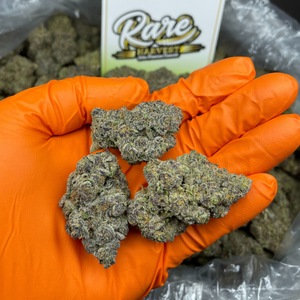
Why settle for dispensary weed that's been sitting on a shelf? Rare Harvest ships direct from the farm - fresher, more potent, and better than anything you'll find at a local shop.
The Enemy: Understanding Cannabinoid and Terpene Degradation
Marijuana deteriorates through multiple mechanisms. Light exposure degrades cannabinoids through photodegradation-UV and visible light break down THC and CBD, reducing potency over time. Humidity extremes damage differently: too dry causes brittleness and terpene loss; too wet encourages mold growth (the most serious storage threat).
Temperature fluctuations accelerate degradation. Heat increases chemical reaction rates, speeding potency loss. Cold slows reactions, preserving cannabinoids longer. The ideal approach uses cool, stable temperatures minimizing chemical degradation.
Oxygen exposure causes oxidation, gradually converting cannabinoids to less-potent forms. Complete air-tight sealing prevents this oxidation. Even minimal air exchange (as occurs in poorly sealed containers) gradually degrades cannabinoid quality.
Understanding these degradation mechanisms explains why specific storage recommendations exist: darkness eliminates photodegradation, proper humidity prevents mold and excessive drying, cool temperatures slow chemical reactions, and air-tight containers prevent oxidation.
Humidity Control: The Critical Factor
The single most important storage factor is humidity. Relative humidity between 58-62% is optimal for marijuana preservation. This specific range prevents both under-drying and mold development.
Below 55% Relative Humidity
Excessively dry conditions cause several problems:
Terpene Evaporation: Volatile terpenes escape into the air, reducing flavor and aroma. Your flower becomes bland and less distinctive.
Cannabinoid Crystallization: Overly dry cannabis develops harsh, brittle texture. Smoking becomes rough and unpleasant.
Reduced Efficacy: While cannabinoid degradation isn't dramatically accelerated below 55%, the dried condition makes effects feel weaker than the same flower at proper humidity.
Signs of excessive dryness: buds crumble into powder easily, stems snap rather than bend, flower tastes harsh and bitter when smoked.
Above 65% Relative Humidity
Excessive humidity creates mold risk-the most serious storage problem.
Mold Development: At 65%+ humidity, mold spores begin germinating. This creates health hazards from smoking moldy cannabis, which can cause respiratory infections.
Bud Rot: Dense buds with interior moisture are especially susceptible to internal mold growth (botrytis, known as "bud rot"). This mold is invisible until buds are broken open.
Potency Loss: Excess moisture encourages bacterial and mold growth, which consume cannabinoids and terpenes.
Signs of excessive humidity: sticky, wet feeling buds; visible white/gray fuzz (mold); musty, unpleasant odors; buds clumping together.
Maintaining Proper Humidity: Humidity Packs
Humidity packs (commercial products like Boveda or Integra Boost) are the easiest method for maintaining exact humidity. These packs contain a gel that releases or absorbs moisture to maintain the exact humidity the pack is designed for (typically 58%, 62%, or 65%).
How Humidity Packs Work: The gel inside maintains precise humidity through reversible absorption/release. Place a 62% pack in your storage container and humidity automatically stabilizes at 62%, regardless of external humidity fluctuations.
Sizing: Pack size depends on container volume. A small 2-gram pack works for small jars (under 1 ounce). Larger quantities need larger packs.
Replacement: Packs last 6-12 months depending on storage conditions and frequency of opening. When they stop adjusting humidity, replace them.
Selecting Humidity Level: 58% packs preserve potency longest and prevent mold; 62% packs offer slight better flavor/moisture balance; 65% packs prioritize flavor but increase mold risk slightly. Most users prefer 62% as the optimal balance.
Container Selection
Glass Mason Jars (The Gold Standard)
Glass mason jars are ideal for marijuana storage. The glass doesn't interact with cannabis, the threaded lids seal effectively, and glass is completely non-permeable to oxygen and moisture.
Advantages: Complete air-tight seal, inert glass, transparent (allowing monitoring without opening), durable, affordable ($1-5 per jar), available in numerous sizes.
Disadvantages: Glass can break, transparent (allowing light exposure unless stored in darkness).
Recommendation: Quart-size mason jars ($2-3 each) are ideal for 1-2 ounce quantities. Store jars in a dark cabinet or closet, not on shelves exposed to light.
Vacuum-Sealed Bags
Heavy-duty vacuum-sealed bags with Ziploc-style seals provide air-tight storage in minimal space. Professional vacuum sealers create superior seals than manual options.
Advantages: Extremely space-efficient, complete air exclusion, affordable.
Disadvantages: Vacuum sealing can damage trichomes (crystals on buds), making flower harder and less appealing. Single-use; opening requires sacrificing the seal. Difficult to maintain humidity control (humidity packs don't work well with sealed bags).
Recommendation: Good for long-term freezer storage, but not ideal for active-use storage where you open the container frequently.
Airtight Containers (Stainless Steel, Plastic)
Various commercial cannabis storage containers exist. Quality stainless steel containers with rubber gaskets work well. Low-quality plastic containers are problematic.
Advantages of Quality Containers: Purpose-designed for marijuana, integrated humidity control slots, professional appearance.
Disadvantages: Expensive ($15-50+), unclear manufacturing standards, some plastic options leach chemicals.
Recommendation: Mason jars remain superior to most commercial containers. If choosing a specialty container, prioritize stainless steel over plastic, and confirm the manufacturer's humidity control compatibility.
What NOT to Use
Ziplock Plastic Bags: These don't seal well enough for long-term storage. Use only for temporary (days to weeks) transport.
Paper Bags: Provide no air-tight seal and actively absorb moisture. Unsuitable for storage longer than a few days.
Sandwich Containers: Light plastic containers allow oxygen permeation and don't seal effectively for long-term storage.
Cloth or Cork Containers: These breathe, allowing moisture and oxygen exchange. Unsuitable for preservation.
Temperature: The Secondary Factor
While humidity is primary, temperature also affects preservation. Ideal storage temperature is 60-70°F (15-21°C). Temperatures below 60°F slow degradation but may cause condensation inside containers if temperature fluctuates. Temperatures above 70°F accelerate cannabinoid degradation.
Room Temperature Storage (65-70°F)
This is acceptable for short-term storage (weeks to months). Most users store flower in bedroom closets or under-cabinet spaces maintaining approximate room temperature. Buds remain fresh for 2-4 months under these conditions with proper humidity control.
Cool Storage (55-65°F)
Basements or wine fridges maintaining cool temperatures extend freshness to 6+ months. Cooler storage without freezing provides the optimal balance of preservation and convenience.
Freezer Storage (0°F or Below)
Frozen cannabis can maintain quality for 1-2 years. Freezing essentially halts cannabinoid degradation. However, freezing presents challenges:
Trichome Brittleness: Frozen cannabis becomes very brittle. Handling and grinding produces more kief separation (trichome loss). Many users report trichomes shatter off when grinding frozen marijuana.
Condensation Risk: Removing frozen cannabis from freezer causes immediate condensation from warm air. This excess moisture damages flower if not managed carefully.
Best Practice: Store flower in air-tight containers in freezer with humidity packs. Allow sealed containers to warm to room temperature before opening (prevents condensation). This method preserves flower for extended periods but involves slight convenience and trichome loss tradeoffs.
Temperature Fluctuations
Consistent temperature matters more than the exact temperature. Fluctuations cause moisture cycling-condensation during warming, drying during cooling-that degrades flower quality faster than stable conditions. Store cannabis in locations with minimal temperature variation.
Light Protection
Light exposure, particularly ultraviolet (UV) and blue light, degrades cannabinoids through photodegradation. Cannabis stored in clear jars on bright shelves loses potency faster than identical flower stored in darkness.
Best Practice: Store containers in dark locations-cabinet interiors, closets, dark drawers. If using transparent containers (like mason jars), keep them out of direct sunlight and room light.
Amber Glass Option: Amber (brown) glass jars offer light protection while allowing you to see contents. These cost slightly more ($3-5) than clear jars but provide light blocking without absolute darkness requirements.
Opaque Containers: Stainless steel and non-transparent plastic containers eliminate light exposure entirely. These are ideal but sacrifice the convenience of seeing contents without opening.
Signs of Degradation: When to Worry
Visual Signs of Mold
White, Gray, or Green Fuzz: Visible mold is immediate discard trigger. Don't smoke moldy marijuana.
Black Spots on Buds: These may indicate mold or bud rot. If covering significant portions of bud surface, discard.
Powdery Coating: A fine powder covering buds may be mold spores. If easily wiped off, it's possibly excessive kief; if remains after gentle brushing, discard to be safe.
Odor Changes
Musty or Moldy Smell: If cannabis smells like wet basement or mold, discard immediately. This indicates mold growth.
Ammonia Smell: This indicates bacterial growth. Discard the flower.
Complete Odor Loss: If flower that previously had strong aroma is now nearly scentless, terpenes have evaporated. The flower is still safe but less flavorful.
Texture Changes
Extreme Crumbliness: Over-dried cannabis crumbles to powder. Still safe to consume but unpleasant.
Excessive Stickiness or Sliminess: Indicates excess moisture or mold development. Discard if accompanied by odor changes.
The Freezing Debate: Does Freezing Damage Cannabis?
Marijuana freezing doesn't damage cannabinoids-THC is stable at freezing temperatures. However, freezing does make trichomes brittle and easier to separate from flower when handling or grinding. This leads to trichome loss, which reduces potency slightly through physical loss rather than chemical degradation.
The Practical Answer: Freezer storage preserves cannabinoid chemistry perfectly but sacrifices slight potency through trichome loss during handling. For long-term storage (6+ months), the perfect chemical preservation usually outweighs the minor trichome loss. For short-term storage, room temperature is preferable to avoid handling challenges.
Best Freezer Practice: Store in vacuum-sealed or completely air-tight containers. Remove only small portions at a time (avoiding repeated freeze-thaw cycles). Allow containers to warm to room temperature before opening (prevents condensation).
Storage Timeline: How Long Cannabis Stays Fresh
Room Temperature, Proper Humidity: 3-4 months peak quality, 6 months acceptable quality, 12+ months degraded but consumable.
Cool Storage (60°F), Proper Humidity: 6-8 months peak quality, 12 months acceptable, 18+ months degraded.
Freezer Storage: 1-2 years excellent quality, longer with minimal degradation.
These timelines assume proper humidity control. Without humidity management, quality declines much faster regardless of temperature.
The Best Storage System
The optimal marijuana storage system combines:
1. Glass mason jars (air-tight, inert, affordable)
2. Humidity packs (precise humidity control at 58-62% RH)
3. Dark storage location (cabinet, closet, drawer)
4. Cool, stable temperature (60-70°F)
5. Minimal opening/disturbance
This system costs $10-15 for initial setup and maintains cannabis in peak condition for 6+ months. Professional or commercial storage won't dramatically improve on this simple approach.
Storage Tips for Specific Situations
Shared Living Spaces
Store cannabis in containers within locked containers (locked drawer, locked box) if other household members might be present. Mason jars inside a lockable cabinet provide both storage function and access control.
For Travelers or Frequent Movers
Use vacuum-sealed bags inside opaque containers. This minimizes space while protecting flower during transport. Accept minor trichome loss as acceptable tradeoff for portability.
For Large Quantities (Multiple Ounces)
Multiple smaller containers are better than one large container. Storing 1 ounce in each of four jars means you only expose three-quarters of your flower to air when accessing one jar. This minimizes oxidation on the bulk of your supply.
For Dispensary Packaging
If dispensary packaging is poor (soft plastic bags, paper), immediately transfer to glass jars with humidity packs. Dispensary packaging prioritizes marketing over preservation; transfer buds as soon as possible.
Getting Started: Your Storage Setup
Purchase a few quart-size mason jars ($2-3 each), one humidity pack ($2-3 for 2-gram packs sizing appropriately), and place them in a dark cabinet or closet. This $10-15 investment maintains your Rare Harvest marijuana in perfect condition for 6+ months.
Transfer flower to jars immediately upon purchase. If your room runs warm, consider basement or closet storage. Check humidity visually every 2-3 months and replace packs yearly. Monitor for any odor or visual changes indicating degradation.
Conclusion
Cannabis storage is straightforward when understanding the key factors: humidity (58-62% RH), temperature (cool and stable), light (darkness), and containers (air-tight). Using glass jars with humidity packs in dark, cool locations maintains flower in peak condition for months. Proper storage extends the value of your cannabis investment, ensuring every purchase remains fresh, potent, and flavorful until consumed.
With Rare Harvest's top shelf flower and proper storage practices, you'll enjoy cannabis that tastes, smells, and potent for as long as you maintain supplies. Invest in proper storage immediately-the small upfront cost pays dividends through extended freshness and maintained potency of every purchase.