






Indica vs Sativa: The Complete Science-Based Guide to Weed Strains
When you're shopping for weed, the first thing most budtenders ask is whether you want indica or sativa. For decades, this has been the default framework for understanding cannabis effects: indica equals "in the couch," relaxing sedation; sativa equals energetic, uplifting euphoria. It's simple. It's memorable. And according to modern marijuana science, it's largely wrong.
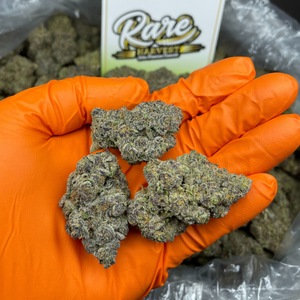
All Rare Harvest products come direct from the farm - the freshest, most potent exotic weed available anywhere.
The indica-vs-sativa distinction has become so embedded in marijuana culture that questioning it feels almost heretical. But cannabis researchers, chemists, and experienced cultivators increasingly agree that plant shape and growth pattern are poor predictors of the actual effects you'll experience. What actually matters is the terpene profile, cannabinoid ratios, and the individual biochemistry of the person consuming it. Understanding this difference is essential for finding weed that actually works for your needs.
The Origin of the Indica-Sativa Framework
The botanical distinction between indica and sativa is real and rooted in actual plant science. In the 18th century, botanist Jean-Baptiste Lamarck identified two main cannabis species: Cannabis sativa L., which grew tall with sparse branching and narrow leaves, primarily found in Europe and Central Asia; and Marijuana indica, which grew shorter and bushier with wider leaves, discovered in India. These are genuine morphological differences shaped by geographic origin and climate adaptation.
Sativas evolved in equatorial regions with longer growing seasons, developing tall structures to compete for light in dense vegetation. Indicas adapted to harsh mountainous terrain of Central Asia, developing shorter, compact structures and denser resin production to protect against UV radiation and harsh weather. These are legitimate botanical categories rooted in evolutionary biology.
The problem emerged when the cannabis industry adopted this botanical classification as a proxy for predicting psychoactive effects. This was convenient for retail purposes-you could put weed into two simple boxes and market effects accordingly. But the evidence doesn't support this application. A 2021 study published in Chemical Research in Toxicology analyzed the terpene profiles of 1,000 marijuana samples and found that terpene compositions don't reliably follow the indica-sativa designation. Samples labeled as indica had just as much variation in terpene profiles as samples labeled as sativa. The plant's shape tells you nothing reliable about what it will do in your body.
Why Indica-Sativa Effects Are More Myth Than Science
The persistent "couch lock" image of indicas and "energetic" reputation of sativas originated from observation and anecdotal reports, not controlled studies. When you're buying weed in an illegal market or even early legal markets, you often don't actually know the cannabinoid ratios, terpene profiles, cultivation conditions, or growing time. You're buying based on name and lineage. This creates selection bias and confirmation bias: you expect indicas to be sedating, so you interpret sedating effects as confirmation, even when those effects might come from other factors entirely.
Cannabis chemistry is far more complex than the simple indica-sativa binary suggests. THC and CBD are just the beginning. Cannabis contains over 400 identified compounds, including 100+ cannabinoids and 200+ terpenes. The specific combination of these compounds, their ratios, and how they interact (called the "entourage effect") is what determines your actual experience. A sativa-dominant strain with high myrcene content-a sedating terpene-might produce more couch lock than an indica-dominant strain with high limonene-an energizing terpene.
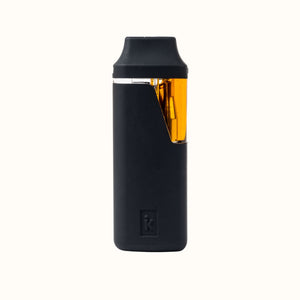
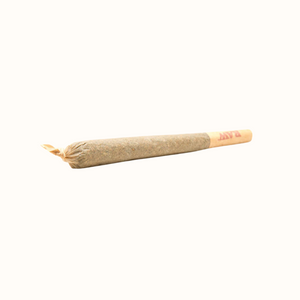
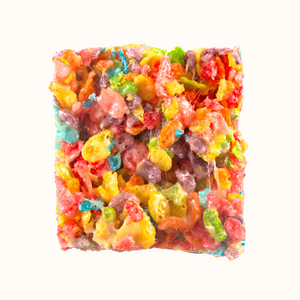
Consumption method matters tremendously. Smoking cannabis delivers effects rapidly, within seconds to minutes. Vaping provides faster onset than edibles but slower than smoking. Edibles can take 1-3 hours for initial effects and produce longer-lasting, often more intense effects. The same marijuana smoked versus consumed as an edible produces meaningfully different experiences, onset patterns, and durations. Neither is "the real" effect of that strain-the effects depend partly on the delivery method.
Individual biochemistry also plays an enormous role. Factors like your baseline tolerance, endocannabinoid system sensitivity, presence of other medications, food intake, sleep quality, stress level, exercise habits, and even your expectations all influence how weed affects you. Two people smoking the exact same weed from the same batch will often have noticeably different experiences. A strain that puts one person to sleep might make another person energized and talkative.
What Actually Determines Weed Effects: Terpenes and the Real Science
If indica-sativa labels are misleading, what should you actually pay attention to? Terpenes-the aromatic compounds that give different weed its unique smell and taste-appear to be the primary driver of subjective effects.
Sedating Terpenes
The top sedating terpenes include myrcene, linalool, and caryophyllene. Myrcene is the most abundant terpene in cannabis and contributes a musky, earthy aroma. Multiple studies suggest myrcene reduces pain perception, aids sleep onset, and produces that relaxed, heavy feeling. Linalool smells like lavender and has a centuries-long history of use in aromatherapy for relaxation and sleep. Caryophyllene is peppery and spicy-smelling with documented anti-inflammatory and pain-relieving properties, making it potentially useful for chronic pain management.
Energizing Terpenes
Energizing terpenes include limonene, pinene, and terpinolene. Limonene smells like citrus and is associated with mood elevation, mental clarity, and focus. Pinene smells like pine or rosemary and research suggests it may enhance alertness and memory. Terpinolene has a herbal, fresh aroma and evidence suggests it can increase energy levels and creative thinking.
The Entourage Effect
The entourage effect theory suggests that cannabinoids and terpenes work synergistically-that a specific combination might produce different effects than the sum of individual components. While research is still emerging, multiple peer-reviewed studies suggest that full-spectrum marijuana containing multiple cannabinoids and terpenes produces different subjective effects compared to isolated THC alone. This is why a strain's aroma and taste can be surprisingly predictive of its effects.
This terpene-based framework is infinitely more useful than plant morphology for predicting marijuana effects. A strain that smells citrusy and sweet (high limonene) is more likely to be energizing than a strain that smells earthy and musky (high myrcene), regardless of whether it's technically labeled indica or sativa. The chemistry predicts effects; the plant shape does not.
The Cannabinoid Ratio Matters Significantly
Beyond terpenes, the ratio of THC to CBD significantly influences the character of effects. High-THC strains without CBD tend to produce more anxiety and paranoia in sensitive users, potentially overwhelming recreational effects, and can be uncomfortable for people who are prone to anxiety disorders. Balanced THC:CBD ratios (1:1, 2:1, or 1:2) tend to feel more functional and less psychologically intense while still providing meaningful effects.
A 1:1 THC:CBD strain taken in the morning might provide focus, mild euphoria, and functioning without overwhelming psychoactivity. A high-THC (18%+), high-myrcene strain taken in the evening might provide profound relaxation, pain relief, and sleep support. A balanced 1:2 THC:CBD strain might provide symptom relief for medical conditions without much intoxication. These vastly different outcomes depend on the actual chemical composition, not whether the plant looked bushy (indica-like) or tall (sativa-like) during growth.
Hybrid Strains: Where the Framework Completely Breaks Down
Modern cannabis cultivation has produced thousands of hybrid strains that don't fit neatly into either category, and this diversity completely undermines the usefulness of the original botanical classification for predicting effects. A "sativa-dominant hybrid" might have the tall, thin growth structure of a sativa but the terpene profile of a relaxing indica. An "indica-dominant hybrid" might be short and bushy but smell citrusy and energizing.
When shopping for weed, you'll see strains labeled as sativa-dominant, indica-dominant, or balanced 50/50 hybrids. Use this information as context about genetic lineage and expected growing patterns if you're a cultivator, but don't rely on it for predicting effects. The terpene profile and cannabinoid ratios matter infinitely more than the plant's ancestry.
So What Should You Actually Look FMarijuanahen Buying Weed?
Here's the practical, science-based approach that works:
1. Identify Your Desired Effect
Start with clarity about what you're actually trying to accomplish. Do you want relaxation? Sleep support? Enhanced focus and creativity? Pain relief? Mood elevation? Social confidence? Anxiety relief? Be specific rather than vague. "I want to relax" is less useful than "I want to sleep without groggy morning grogginess" or "I want to relax in the evening without oversedation that prevents me from being social."
2. Look at the Terpene Profile
Terpene information is increasingly available on product labels and dispensary websites. This is far more valuable than any indica-sativa designation. If you want relaxation and sleep, look for strains with high myrcene (ideally 0.7%+ on lab tests) and linalool (0.5%+). If you want energy, focus, and daytime use, look for high limonene and pinene. You can even ask your budtender for strains with specific terpene profiles.
3. Consider Cannabinoid Ratios
High-THC, low-CBD weed is more intense and psychoactive. Balanced THC:CBD strains are more functional and reliable. CBD-dominant strains provide effects with minimal intoxication. Choose based on your tolerance and what you're trying to achieve. If you're sensitive to THC, don't assume an "indica" label means less anxiety-check the actual CBD content.
4. Choose Your Consumption Method
How you consume matters as much as what you consume. Smoking or vaping produces rapid onset (seconds to minutes) and shorter duration (2-4 hours). Edibles take longer to onset (1-3 hours) but last much longer (6-10 hours). Tinctures are middle-ground. Choose the method that fits your situation: smoking for on-demand effects, edibles for sustained effects overnight, tinctures for controlled titration.
5. Keep Personal Notes
Track strains you've tried, their effects on you, the consumption method, dosage, and the context (time of day, food intake, stress level, sleep quality). Your personal response data will be more valuable than any generalization. You'll quickly discover which terpene profiles actually work for your individual body chemistry.
Strain Recommendations Based on Actual Chemistry
For Sleep and Deep Relaxation
Look for high myrcene (over 0.7%) plus linalool (over 0.5%), THC-dominant or balanced THC:CBD strains. Strains with names like Northern Lights, Purple Kush, or Grandpa's Stash often deliver on this, but what matters is the terpene and cannabinoid content on the lab report, not the name. Many "sativa" strains have sedating terpene profiles, and some "indicas" have energizing ones. Check the lab data. Consumption method: smoke or vape 1-2 hours before bed, or use edibles 2-3 hours before.
For Focus and Daytime Energy
Look for high limonene plus pinene, moderate THC (10-16%) with minimal CBD. Strains labeled as sativas like Jack Herer, Sour Diesel, or Green Crack often deliver energizing effects, but verify the terpene profile. Look for citrusy or piney aromas. Consumption method: smoke or vape in the morning, or use a low-dose edible to avoid the "too much THC" crash later.
For Mood and Creativity
Look for high limonene, terpinolene, or caryophyllene with moderate-to-high THC (14-18%). Strains like Super Lemon Haze, Ghost Train Haze, or Tangie tend to deliver on this, but focus on terp profile. These strains often provide uplifting effects without the heaviness of high myrcene. Good for afternoon creative work or social activities.
For Chronic Pain Relief
Look for high caryophyllene plus myrcene, often with balanced THC:CBD (1:1 or even 1:2). Strains like OG Kush, Sour Space Candy, or Cannatonic tend to deliver pain relief, but verify the lab report showing cannabinoid ratios and caryophyllene content. Pain relief is less predictable than other effects, so tracking your personal response is especially important.
The Bottom Line: Move Beyond the Labels
The indica-versus-sativa framework is convenient for retail categorization and fun conversation at a dispensary, but it's not scientifically predictive of effects. Two strains both labeled "indica" can produce completely different results. A "sativa" strain might knock you out if it's high in sedating terpenes. A "hybrid" label tells you nothing reliable about effects.
What actually matters is the complete chemical profile: which terpenes are present and in what quantities, the THC:CBD ratio, your individual biochemistry, your consumption method and dose, and your specific needs. Modern cannabis is genuinely sophisticated pharmacology, not a simple plant type game.
The best approach is to move beyond simplistic labels and engage with the actual chemistry. Ask your budtender for lab reports. Look at terpene profiles. Pay attention to aromas-your nose is detecting the terpenes your brain will experience. Start with lower doses and track how your body responds. Keep notes on what works. This is how you find weed that actually works for your specific needs.
Explore Our Exotic Flower Collection →