




Microdosing Cannabis: Complete Guide to Low-Dose Weed Benefits and Best Practices
Microdosing has emerged as one of the most sophisticated approaches to cannabis consumption, offering benefits that appeal to users prioritizing functionality, subtle effects, and therapeutic outcomes over intoxication. Unlike traditional marijuana use that aims for noticeable psychoactive effects, microdosing involves consuming sub-intoxicating amounts of cannabis to achieve specific benefits while maintaining full mental clarity and functionality. This comprehensive guide explores microdosing cannabis, its benefits, practical methods, and how to develop an effective microdosing routine.
Every strain is grown by expert cultivators and shipped direct from the farm via USPS Priority Mail.
What Is Microdosing Marijuana and How Does It Differ from Regular Use?
Microdosing marijuana means consuming very small amounts of weed-typically 2.5-5mg of THC, sometimes even less-designed to produce subtle, sub-intoxicating effects rather than the noticeable high associated with standard cannabis consumption. The goal is achieving specific benefits (pain relief, creativity enhancement, anxiety reduction) without the cognitive impairment, drowsiness, or impaired coordination that comes with recreational-dose cannabis.
The distinction matters greatly. Standard recreational doses of marijuana (10-20mg+ of THC) produce noticeable psychoactive effects and impairment that make activities like driving, working, or complex problem-solving difficult. Microdoses, conversely, produce imperceptible or barely perceptible effects while still delivering cannabis's therapeutic benefits. Many users report that when properly dosed, microdosing cannabis has no obvious "high," just a subtle shift in mood, focus, or physical comfort.
This approach represents a fundamental shift in marijuana consumption philosophy from chasing intoxication to seeking targeted, functional benefits. Many professionals, athletes, and task-focused individuals prefer microdosing because it allows cannabis integration into daily routines without disrupting productivity or mental clarity.
The Science Behind Why Microdosing Works
The effectiveness of microdosing cannabis relies on a principle called bimodal dosing response-at low doses, marijuana produces different effects than at higher doses. THC and other cannabinoids interact with your endocannabinoid system in a dose-dependent manner. Very low doses may enhance focus, improve mood, or provide subtle pain relief. Higher doses produce sedation, impairment, and pronounced psychoactive effects.
Additionally, microdosing reduces tolerance development. Regular consumers of small doses maintain sensitivity longer than those consistently consuming standard doses. This means microdosers don't experience the rapid tolerance escalation that drives many recreational users toward increasingly larger amounts.
The entourage effect-the synergistic interaction of all cannabis compounds-works effectively at microdose levels. Even small amounts of THC, combined with CBD, terpenes, and other cannabinoids, produce meaningful effects that are distinct from zero-dose consumption but far subtler than standard-dose effects.
Benefits and Reported Advantages of Cannabis Microdosing
Users who embrace microdosing cannabis report numerous benefits that distinguish it from traditional recreational use:
Enhanced Focus and Creativity: Many users find that microdose weed sharpens focus without the cognitive cloudiness of standard doses. Some report that creative thinking, problem-solving, and divergent thinking improve at microdose levels, making it appealing for writers, artists, and professionals.
Improved Mood Without Impairment: Microdosing marijuana produces mood uplift and reduced anxiety without sedation or impairment. Users can maintain social and professional functionality while experiencing therapeutic benefits.
Pain and Inflammation Management: Even at very low doses, THC and CBD provide anti-inflammatory and analgesic benefits. Chronic pain patients often find that microdosing manages pain effectively while avoiding intoxication that would complicate daily activities.
Anxiety and Stress Reduction: Many anxious individuals find microdose cannabis far less anxiety-inducing than standard doses. The subtle anxiolytic effects help without triggering paranoia or increased anxiety that sometimes accompanies higher doses.
Sleep Improvement: Even small amounts of cannabis improve sleep quality for many people, particularly indica-dominant microdoses. A small microdose before bed can enhance sleep without next-day grogginess.
Sustained Sensitivity and Low Tolerance: Because tolerance develops slowly at microdose levels, users maintain sensitivity over extended periods. Someone microdosing marijuana for years will often experience effects comparable to when they started, unlike standard users who develop tolerance relatively quickly.
Reduced Consumption Cost: Microdosing requires far less cannabis overall. A small amount of weed provides weeks of microdose consumption, making it budget-friendly compared to standard recreational use.
Minimal Impairment and Productivity Compatibility: The defining advantage of microdosing is full functionality. Users maintain clarity, coordination, and mental sharpness, allowing integration of cannabis into work, exercise, and daily responsibilities.
Establishing Your Microdose: Finding Your Optimal Amount
One challenge with microdosing marijuana is that optimal dose varies significantly between individuals. Factors like body weight, metabolism, tolerance, sensitivity to cannabinoids, and individual endocannabinoid system makeup all influence what constitutes a true microdose for you.
The Standard Microdose Range: General guidelines suggest 2.5-5mg THC as typical microdose territory. However, extreme sensitivity individuals might find 1-2mg optimal, while others might need 5-10mg to achieve desired effects.
Finding Your Personal Baseline: Start with 2.5mg THC (the smallest amount you can reliably measure or portion). Consume it at a time when you can observe effects without needing to drive or perform critical tasks. Note how you feel for the next 4-6 hours. Are effects noticeable or imperceptible? Do you feel slightly more relaxed, focused, or shifted? Wait 3-5 days and increase to 5mg, repeating the observation process.
The Titration Process: Gradually increasing small amounts helps identify your optimal microdose. Most people find their sweet spot within the 2.5-5mg range, but some discover they prefer even smaller amounts (1-2mg) or slightly larger (5-7mg). There's no universal optimal dose-only your personal optimal dose.
The Imperceptibility Test: A key principle of microdosing is that the dose should be subtle enough that you could function normally but noticeable enough that you recognize a shift. If you consume a microdose and genuinely cannot tell whether you've used cannabis or not, you may be undershooting your effective range. If effects are noticeable and feel like traditional intoxication, you're likely above the microdose range.
Methods and Products for Effective Cannabis Microdosing
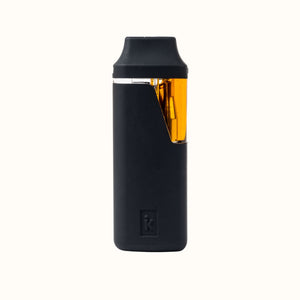
Vape Cartridges with Precision Control: Vape cartridges allow controlled, small hits that make microdosing straightforward. A single short inhalation from a 10mg/mL cartridge delivers only 1-2mg of THC. Many microdosers use cartridges specifically for the precision control they allow.
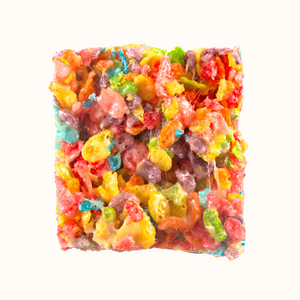
Low-Dose Edibles (2.5-5mg): Microdose-appropriate edibles exist, with 2.5mg and 5mg servings clearly marked. However, standard 10mg edibles can be challenging-splitting or dividing increases dosing error. Dedicated microdose edibles simplify accuracy.
Tinctures and Sublingual Drops: Marijuana tinctures are ideal for microdosing because drops allow precise measurement. A tincture bottle is typically labeled with dose per dropper. You can use fractions of a dropper for precise microdosing. Sublingual administration allows fast, predictable effects.
Concentrates with Precise Portions: A very small amount of high-potency concentrate (shatter, wax, rosin) provides a complete microdose. Many dabbers transition to microdosing by using minimal amounts of concentrates. One small grain of concentrate might provide an entire microdose.
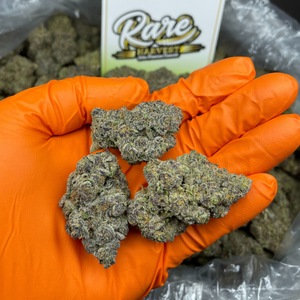
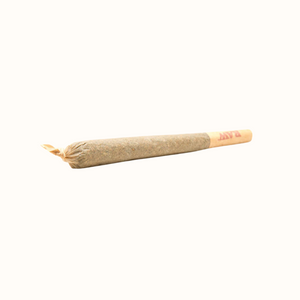
Flower with Controlled Smoking: A single, small hit from a joint or pipe can be microdosed, though measurement is less precise than other methods. Very slow, light smoking allows control over total consumption.
CBD-Dominant Products: Many microdosers use products with equal THC and CBD or CBD-dominant formulations. These lower the intensity of effects while maintaining therapeutic benefits. A 1:1 THC:CBD microdose often feels milder than pure THC at the same dose.
Dosing Schedule and Consistency for Microdosing Success
Most successful microdosers use consistent daily or regular schedules rather than sporadic consumption. Consistency allows your body to reach a stable state and makes it easier to assess effects.
Daily Microdosing: Some users take a small microdose every morning or every evening. Daily microdosing provides consistent subtle effects and is ideal for ongoing anxiety management, pain management, or mood support. Many report that daily microdosing is so subtle that they don't "feel" cannabis but notice the difference when they skip a day (less focus, increased pain, worse mood).
Regular Schedule (Every 2-3 Days): Others find that microdosing every other day or every third day provides benefits without building tolerance. This pattern maintains effect intensity longer than daily use.
As-Needed Microdosing: Some users microdose only when facing situations requiring benefits (important meeting, creative project, pain flare-up). This pattern requires more reliable dosing since effects depend on the specific dose taken.
Cycling Strategy: Some microdosers use a schedule like 5 days on, 2 days off, or 6 days on, 1 day off. This approach minimizes tolerance development while maintaining effects.
Combining Microdosing with Other Wellness Practices
Microdosing marijuana works best as one element of a comprehensive wellness approach rather than as a standalone practice.
Pairing microdosing with meditation, yoga, or mindfulness practice enhances subtle effects. Sleep hygiene, regular exercise, and stress management amplify cannabis's therapeutic benefits. Many microdosers find that their microdose effects feel more pronounced when combined with healthy lifestyle practices.
Microdosing also pairs well with other natural wellness tools. Users might combine a small cannabis microdose with exercise, journaling, time in nature, or other practices that promote the same benefits (focus, mood, relaxation, pain relief).
Strains and Cannabinoid Profiles for Microdosing
For Focus and Energy: Sativa-dominant microdoses, particularly strains high in limonene or pinene terpenes, provide focus and creativity enhancement without intoxication.
For Relaxation and Anxiety: Indica-dominant or balanced hybrid microdoses, especially those with higher myrcene content, provide relaxation and anxiety reduction without sedation.
For Sleep: Indica-dominant microdoses taken an hour before bed promote sleep without residual morning grogginess.
For Balanced Effects: Equal THC:CBD formulations provide all marijuana benefits with reduced intensity and lower anxiety risk.
Full-Spectrum Products: Whole-plant products (flower, rosin, full-spectrum tinctures) provide entourage effect benefits more effectively than isolates.
FAQ: Cannabis Microdosing Questions
Q: Can I build tolerance while microdosing?
A: Tolerance development is much slower with microdosing than standard consumption, but it can still occur with daily microdosing over months. Regular microdosers find that cycling schedules or occasional tolerance breaks maintain sensitivity long-term.
Q: Will microdosing cannabis interfere with work?
A: A true microdose, properly dialed for you, should not impair work performance. However, everyone's sensitivity differs-what's functional microdosing for one person might impair another. Start with microdosing during non-work time to understand your personal response.
Q: Is microdosing appropriate for people with anxiety?
A: Yes, many anxious individuals find that microdosing reduces anxiety. However, some find that even microdoses increase anxiety. Individual variation is significant-start cautiously if you're anxiety-prone.
Q: How does microdosing compare to CBD-only products?
A: CBD provides therapeutic benefits without intoxication, similar to microdosing. However, adding small THC amounts to CBD often enhances effects through the entourage effect. Some prefer pure CBD to avoid any THC; others find THC:CBD combinations more effective.
Exploring Microdosing as Your Cannabis Approach
Microdosing cannabis represents a sophisticated, functional approach to marijuana consumption that prioritizes subtle therapeutic benefits over intoxication. Whether you're seeking enhanced focus for creative work, pain management without impairment, anxiety reduction, or simply a more sustainable long-term cannabis practice, microdosing offers a pathway. Our vapes collection and concentrates include products ideal for precise microdosing, while our exotic flower options allow experimentation with strains that suit your microdosing goals. Finding your optimal microdose and integrating it into a consistent routine ensures you access cannabis's benefits while maintaining full functionality and clarity.