



Last Updated: March 2026
THCa and delta-9 THC are two names that get used interchangeably by people who don't know the difference — and the difference matters enormously, both for your experience and for the legality of the products you're buying. This guide breaks down everything: the chemistry, the effects, the legal status in 2026, and how to choose the right product for your needs.
The Basics: What Is THCa vs. Delta-9 THC?
Delta-9 THC
Delta-9 THC (tetrahydrocannabinol) is the primary psychoactive compound in cannabis. It's the compound that gets you high. When people talk about marijuana's effects — the euphoria, relaxation, altered perception, increased appetite — they're primarily describing delta-9 THC's interaction with the endocannabinoid system's CB1 receptors in the brain.
Delta-9 THC is the compound that makes marijuana federally illegal. Under the Controlled Substances Act, marijuana plants containing more than 0.3% delta-9 THC are classified as Schedule I controlled substances.
THCa
THCa (tetrahydrocannabinolic acid) is the raw, acidic precursor to delta-9 THC. Living cannabis plants produce THCa — not THC. THCa is synthesized in the plant's trichomes (the resin glands) as the plant grows.
In its raw form, THCa is non-psychoactive. The carboxylic acid group in its molecular structure prevents it from binding effectively to CB1 receptors. You could eat raw cannabis flower without getting high — you'd be ingesting THCa, not THC.
The Conversion: Decarboxylation
The critical process that connects THCa and THC is decarboxylation — the removal of the carboxylic acid group (COOH) from THCa's molecular structure through exposure to heat.
When you light a joint, load a bowl, or hit a vaporizer, the heat instantly converts THCa to delta-9 THC. This is why THCa flower — which is non-psychoactive in its raw state — produces the same high as traditional marijuana when smoked or vaporized. The fire or heat triggers decarboxylation, creating THC from THCa in real time.
Decarboxylation also occurs during cooking (making edibles) and drying/curing at elevated temperatures. A joint's combustion is approximately 30-80% efficient at converting THCa to THC, meaning you get significant THC from every hit of high-THCa flower.
Effects: Are THCa and Delta-9 THC Different to Experience?
When smoked or vaporized, the psychoactive experience of high-THCa hemp flower is nearly identical to traditional marijuana. The conversion efficiency is high enough that a strain with 25% THCa will produce a potent, marijuana-comparable high when smoked.
Where the experience diverges:
Raw consumption: Consuming raw THCa (in juice, smoothies, or by eating raw flower) produces no psychoactive effect. Raw THCa has been studied for potential anti-inflammatory, neuroprotective, and anti-nausea properties in its non-psychoactive form.
Terpene profiles: The experience difference between strains is driven more by terpene profiles than by whether the product is marketed as "THCa" or "delta-9 THC." A Gelato-profile THCa flower will produce a similar experience to Gelato marijuana because they share terpene signatures — myrcene, caryophyllene, limonene — not just cannabinoid content.
Legal Status: The Key Difference in 2026
This is where the THCa vs. delta-9 distinction matters most for consumers in 2026:
Delta-9 THC Legal Status
Delta-9 THC remains federally illegal as a Schedule I controlled substance. Products containing delta-9 THC above 0.3% by dry weight — traditional marijuana — are only legal where state law permits (recreational states: CO, CA, WA, OR, NV, IL, MI, and others; medical states: most of the remaining US).
THCa Legal Status (Current)
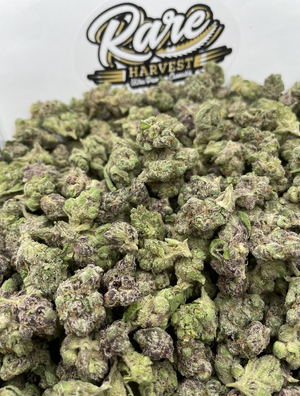
Hemp-derived THCa flower testing below 0.3% delta-9 THC by dry weight is federally legal under the 2018 Farm Bill as of March 2026. This is the legal product sold by Rare Harvest and similar online retailers — lab-tested, compliant hemp that happens to contain high percentages of THCa (which converts to THC when smoked).
The Upcoming Change
H.R. 5371, effective November 12, 2026, will redefine hemp using a total THC calculation that includes THCa. This would reclassify most high-THCa flower as marijuana under federal law. Counterlegislation (the HEMP Act and Mace/Massie Bill) is pending. See our H.R. 5371 guide for details.
THCa vs. Delta-9: Potency Comparison
Gram for gram, how does THCa flower compare to traditional marijuana?
Traditional dispensary marijuana typically ranges from 18-30% THC by dry weight. Premium THCa flower from Rare Harvest ranges from 17-38% THCa. When you account for combustion conversion efficiency (roughly 30-80% of THCa converts to THC during smoking), high-THCa flower delivers a comparable or often superior psychoactive experience to traditional marijuana.
The math: A 25% THCa flower, with 50% average conversion efficiency, delivers approximately 12.5% effective THC per gram — comparable to mid-grade dispensary marijuana. With higher conversion efficiency or higher starting THCa percentages (Bolo Runtz at 34-38%, for example), the potency can exceed most dispensary products.
Which Should You Choose?
If you're in a state with recreational marijuana: you have access to both state-legal delta-9 marijuana and federally legal THCa hemp flower. The choice comes down to price, selection, and convenience. Online THCa flower often offers better selection and pricing than local dispensaries.
If you're in a non-legal state: federally legal THCa flower is your primary access to a marijuana-comparable experience through legal channels. Ordering online from Rare Harvest ships directly to your door with full legal compliance.
If you want non-psychoactive benefits: raw THCa (juicing, raw consumption) or high-CBD strains like Harlequin or Cannatonic provide cannabis benefits without significant psychoactive effects. See Harlequin here.
Browse Rare Harvest's full THCa flower collection here.
Frequently Asked Questions
Does THCa get you as high as delta-9 THC?
When smoked or vaporized, yes — THCa converts to delta-9 THC through decarboxylation, producing a very similar psychoactive experience. The potency depends on the starting THCa percentage and combustion/vaporization efficiency.
Is THCa the same as THC?
Chemically, THCa is the precursor to THC — it's the same compound with a carboxylic acid group attached. Raw THCa is non-psychoactive, but it becomes effectively identical to THC once heated through smoking or vaporizing.
Why is THCa legal but THC isn't?
The 2018 Farm Bill legalized hemp based on delta-9 THC content measured before heating. Since THCa hasn't yet converted to delta-9 THC at time of testing, hemp-derived THCa flower can meet the legal threshold. This distinction is under legislative review — H.R. 5371 aims to close this gap using total THC calculations.
Can you fail a drug test from THCa?
Yes. Drug tests detect THC metabolites in your system. When you smoke THCa flower, it converts to THC, which your body metabolizes the same way as marijuana. THCa flower consumption will result in a positive drug test. See our drug test guide for timing and details.
Shop premium THCa flower at Rare Harvest's online dispensary — fully compliant, lab-tested, and shipped directly to your door.