



THCa vs THC: The Complete Chemistry and Effects Guide
A common source of confusion among cannabis consumers is the difference between THCa (tetrahydrocannabinolic acid) and THC (tetrahydrocannabinol). Laboratory reports list both, yet many users assume they're the same compound or that THCa is a different, potentially less effective form of THC. In reality, THCa and THC are distinct molecules with fundamentally different chemical structures and effects. Fresh cannabis flower contains THCa; the THC listed on lab reports comes from heat-induced conversion. Understanding this distinction clarifies marijuana chemistry and explains why consumption methods matter for THCa conversion to active THC.
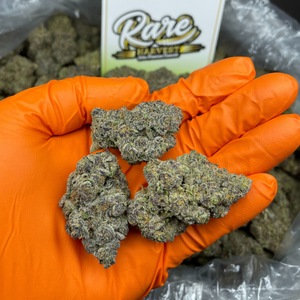
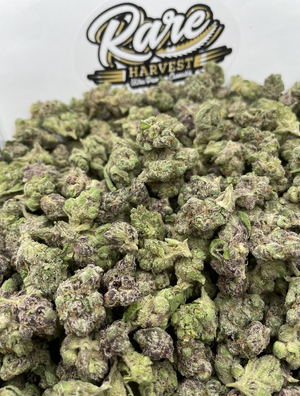
Rare Harvest cuts out the middlemen. Your exotic weed ships direct from the farm to your door.
The Chemical Difference
THCa (tetrahydrocannabinolic acid) contains a carboxylic acid group (COOH) attached to its molecular structure. THC (tetrahydrocannabinol) lacks this acid group. This single structural difference profoundly impacts how these molecules interact with the human body's endocannabinoid system.
Fresh cannabis plants naturally produce THCa as their primary compound. THCa is the actual cannabinoid synthesized in the plant's resin glands. As cannabis ages, dries, or heats, THCa spontaneously converts to THC through a process called decarboxylation-the acid group splits away, leaving behind THC.
This decarboxylation process is not optional or minimal. A typical marijuana sample that's been dried, trimmed, and stored at room temperature may lose 30-50% of THCa content monthly as it gradually converts to THC and degrades. Cannabis that's been heated (even lightly) may convert 70-90% of THCa to THC. The form of cannabis a consumer receives depends almost entirely on how much heat and time it has experienced since harvesting.
Receptor Interactions and Biological Effects
THC activates CB1 receptors in the brain with high affinity, producing the characteristic "high"-euphoria, altered perception, and intoxication. CB1 activation is why THC produces the effects users associate with cannabis.
THCa does not activate CB1 receptors meaningfully. Raw THCa lacks the molecular shape necessary to fit into CB1 receptor binding sites. Consuming THCa without decarboxylation produces minimal intoxication and minimal typical marijuana effects.
This fundamental difference explains why raw cannabis juice (containing THCa) doesn't intoxicate, while smoking the same plant material (which converts THCa to THC through heat) produces strong effects. The molecule itself matters-THCa is not a "pre-activated" form of THC; they're different compounds with different biological activities.
Interestingly, emerging research suggests THCa may have independent biological effects through non-CB1 pathways. Some studies suggest THCa has anti-inflammatory, neuroprotective, and antiemetic (anti-nausea) properties potentially distinct from THC's effects. However, THCa's effects are much weaker than THC's and remain poorly understood. Most cannabis users seeking psychoactive effects need THC, not THCa.
The Decarboxylation Process
Decarboxylation requires heat and time. The process occurs at various rates depending on temperature:
Room Temperature (70°F): Extremely slow conversion. Cannabis loses roughly 5-10% of THCa monthly to decarboxylation at room temperature. Over a year, stored marijuana may convert 50%+ of THCa to THC naturally.
Moderate Heat (200-250°F): Moderate conversion. Vaporizing at 350°F converts some THCa but not all. Faster conversion than room temperature but incomplete.
High Heat (300-400°F): Near-complete conversion. Smoking (combustion at 900°F+) converts virtually all THCa to THC instantly.
Cooking/Baking Edibles (350°F, 30+ minutes): Complete conversion. Decarboxylation ovens (typically run 240-250°F for 20-40 minutes) fully convert THCa to THC before edible infusion.
This is why edible preparation requires decarboxylation: raw flower mixed into butter or oil provides minimal effects because THCa doesn't activate CB1. Heating flower to decarboxylate before infusion ensures maximum THC bioavailability.
Lab Reports and THCa Percentage
Laboratory reports typically list both "Total THCa" and "Total THC" for cannabis samples. The "Total THCa" percentage reflects the acid form present in the sample. "Total THC" reflects decarboxylated form.
A fresh cannabis sample might test at 18% THCa and 0.5% THC-mostly acid form because the sample hasn't experienced significant heat yet. Dried, room-temperature storage might show the same sample testing 12% THCa and 6% THC several months later-partial conversion from aging.
Some labs report "Total THC (Calculated)" which adds THCa and THC percentages together, estimating maximum potential THC after complete decarboxylation. A sample at 18% THCa and 0.5% THC might show "Total THC (Calculated)" as 18.9% (18% × 0.877 conversion factor + 0.5% actual THC).
For practical purposes, consumers should understand that fresh flower contains mostly THCa. Only after heating (smoking, vaping, or cooking) does this convert to THC and produce characteristic marijuana effects.
The "THCa Is Real Marijuana" Argument
Recent THCa flower marketing (sometimes called "hemp flower" sold as a loophole product) claims that THCa is "real marijuana." This framing confuses consumers about a genuine botanical distinction.
Botanically, THCa is the actual compound cannabis plants produce. In this strict sense, THCa is the "real" compound. However, from a consumer effects perspective, THCa is not effective cannabis-it requires decarboxylation (heating) to produce the effects people associate with marijuana. Marketing THCa as "real marijuana" deliberately obscures this distinction, implying THCa provides equivalent effects to THC without being technically illegal in certain contexts.
The reality: THCa flower is marijuana flower with lower THC content that requires heating to activate. It's not superior to conventional cannabis; it's simply a legal distinction in jurisdictions where THC above certain thresholds is prohibited while THCa remains unregulated.
Rare Harvest positions our flower as genuine cannabis containing both THCa and activated THC in substantial quantities-not THCa-heavy flower marketed through legal loopholes. Our products deliver actual psychoactive effects consumers expect from quality marijuana, not ambiguous THCa requiring activation consumers may not understand.
Practical Implications for Consumers
For Smoking and Vaping
Heat converts THCa to THC, so smoking and vaping produce expected effects. THCa vs THC distinction is academic-the heat immediately handles conversion. Whether your flower is 15% THCa or 10% THCa + 5% THC, smoking produces similar effects.
For Raw Consumption
Some health-conscious consumers juice raw cannabis or blend it into smoothies seeking anti-inflammatory and non-intoxicating benefits. Raw cannabis consumption delivers THCa benefits (if any exist) without intoxication. However, effects are weak since THCa's benefits remain poorly understood. Don't expect medical miracles from raw marijuana consumption; substantial research is needed to confirm independent THCa therapeutic value.
For Edibles
Proper edible preparation requires decarboxylation: heating flower (usually 240°F for 30 minutes) before infusion into butter or oil. Without this step, edibles containing raw flower provide minimal effects because THCa doesn't activate cannabinoid receptors. This is why professional edible makers always decarboxylate first.
For Concentrates
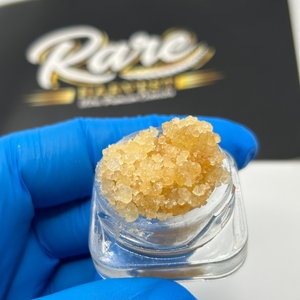
Concentrates containing THCa require heating for effects. Dabbing THCa crystals in a dab rig produces effects as the heat vaporizes and decarboxylates the THCa. Vape cartridges activate THCa through device heat. The consumption method automatically handles conversion.
Storage and THCa Degradation
Properly stored flower (cool, dark, dry, airtight) maintains THCa content better than room-temperature storage. However, even perfect storage cannot prevent gradual decarboxylation over time.
Freezing or refrigerating cannabis dramatically slows THCa degradation, extending shelf life for months or years. Some users freeze fresh flower to preserve THCa content, defrosting portions for consumption as needed. This preserves maximum THC potential through controlled storage.
Room temperature storage results in gradual THCa loss-both to decarboxylation (converting to THC) and oxidation (converting to inactive compounds). After 6 months at room temperature, cannabis has lost significant cannabinoid potency compared to frozen storage.
Legal Context: Why THCa vs THC Distinction Matters
Some jurisdictions prohibit THC above certain percentages (often 0.3% in hemp legalization contexts) while not explicitly regulating THCa. This legal loophole has created "THCa-dominant" flower marketed as hemp, despite being functionally identical to conventional marijuana once consumed (heating converts THCa to THC).
This legal distinction doesn't indicate THCa is superior or more "real" than conventional cannabis. It's merely exploiting regulatory language gaps. From a consumer perspective, THCa-dominant flower provides identical effects to THC-dominant flower after heating-both are cannabis with similar effects.
Rare Harvest operates in jurisdictions where conventional marijuana is legal. Our products contain meaningful amounts of both THCa and THC, representing actual cannabis cannabis rather than legal loophole products. This provides clarity, quality assurance, and genuine marijuana experience rather than regulatory gray areas.
Understanding Lab Reports Correctly
When viewing lab reports, understand that:
% THCa = Potential THC after complete decarboxylation
% THC = Actual active cannabinoid present now
% Total THC (calculated) = Maximum possible after heating
Fresh, minimally-heated flower shows high THCa and low THC. Aged, heated flower shows lower THCa and higher THC. Neither is superior-they're simply different conversion states of the same cannabinoid.
For practical purposes, the "Total THC (Calculated)" percentage is most meaningful-it represents maximum effect potential after complete consumption (smoking, vaping, or edible preparation with decarboxylation).
Conclusion
THCa and THC are distinct molecules: THCa is what cannabis plants produce; THC is the psychoactive form created through heating. This distinction matters for understanding cannabis chemistry and edible preparation but is largely academic for smoked and vaped consumption where heat automatically converts THCa to THC.
The marketing of THCa as "real marijuana" exploits regulatory language gaps rather than reflecting genuine botanical or pharmacological superiority. Genuine marijuana, like Rare Harvest's products, contains meaningful amounts of both compounds, ready to deliver expected effects through any standard consumption method.
Understanding THCa/THC distinction elevates your cannabis knowledge and helps you evaluate lab reports and marketing claims critically. Explore Rare Harvest's genuine cannabis flower with transparent lab reports showing both cannabinoids, ensuring you know exactly what you're consuming and can expect reliable, predictable effects.