






Vaping vs Smoking Weed: The Complete Consumption Method Comparison
For decades, smoking was the default marijuana consumption method. However, vaping has revolutionized how millions enjoy weed, offering distinct advantages in flavor, efficiency, and potential health benefits. Yet smoking remains popular for its simplicity, immediate effects, and unique sensory experience. Understanding the genuine differences between these consumption methods-beyond marketing claims-helps individuals choose the approach that best fits their needs, preferences, and health priorities.
Every strain is grown by expert cultivators and shipped direct from the farm via USPS Priority Mail.
Understanding the Fundamental Difference
Smoking cannabis involves combustion: heating weed to temperatures around 900°F where organic compounds ignite and burn. This rapid heating creates smoke containing cannabinoids alongside numerous byproducts of combustion.
Vaping heats marijuana to 350-450°F (depending on device and preference), hot enough to release cannabinoids and terpenes through evaporation but below combustion temperature. The result is visible vapor containing the intended compounds with minimal combustion byproducts.
This fundamental distinction explains most differences between the methods. However, the practical implications-health, flavor, efficiency, cost-prove far more nuanced than simple "vaping is healthier" messaging suggests.
Health Comparison: Smoking
Smoking weed produces smoke containing cannabinoids, terpenes, and combustion byproducts including carbon monoxide, nitrogen oxides, and polycyclic aromatic hydrocarbons (PAHs). While significantly less carcinogenic than tobacco smoke, cannabis smoke still deposits similar compounds in the lungs.
Long-term smoking frequently causes bronchitis, chronic cough, and sputum production-though whether this progresses to lung cancer remains debated. The lack of large prospective lung cancer studies in marijuana-only smokers (most smokers also use tobacco) creates uncertainty about long-term consequences.
However, smoking's acute health profile is actually well-understood and relatively benign for most users. A single cannabis cigarette or joint produces minimal airway inflammation compared to tobacco. Occasional smoking (weekly or less) shows negligible respiratory impacts. The health risks increase with frequency: daily smokers develop chronic airway symptoms significantly more often than occasional users.
Importantly, smoking's full chemical profile differs dramatically from vaping. Smoking delivers harman alkaloids and other compounds not present in vapor, with unclear health implications. Smoking also creates secondhand smoke affecting bystanders-vaping produces minimal secondhand effects.
Health Comparison: Vaping
Vaping eliminates combustion entirely, producing vapor without smoke's toxic byproducts. Users do not develop chronic cough or phlegm production even with daily vaping. Lung function tests show preservation of respiratory health in vape-only users compared to significant impairment in smokers.
However, vaping is not entirely benign. Propylene glycol (present in some vape cartridges) produces mild airway irritation at high temperatures. Some vape devices malfunction and overheat, producing toxic compounds including acetaldehyde. Poor-quality devices from unknown manufacturers occasionally contain harmful additives or contaminants.
Vaping's relatively recent popularity means long-term health data remains limited. We lack 20-year prospective studies of daily vapers. However, short-term and medium-term data consistently shows vaping as significantly less harmful than smoking. Public Health England concluded in 2015 (updated 2020) that vaping is approximately 95% less harmful than smoking-a reasonable estimate based on available evidence.
Practically, individuals concerned about respiratory health should prioritize vaping over smoking when possible. For those choosing between cannabis and tobacco, the vaping advantage becomes even more pronounced. However, avoiding marijuana entirely remains the healthiest option; harm reduction through vaping beats smoking but doesn't eliminate risk.
Flavor Profile and Terpene Preservation
Combustion destroys terpenes and creates new compounds from heating, fundamentally altering flavor. Smoking a strain produces acrid smoke that masks subtle flavors. Most cannabis smokers couldn't distinguish between strains by flavor alone-all simply taste like burning plant matter.
Vaping preserves terpenes by avoiding combustion. A high-quality vape set to appropriate temperatures (380-400°F for balanced flavor and effect, up to 420°F for maximum cannabinoid extraction) produces vapor tasting clearly like the strain. Strawberry Cough actually tastes like strawberry. Wedding Cake tastes like vanilla and spice. These flavor distinctions become impossible in smoking.
For cannabis enthusiasts seeking to actually taste their weed and understand strain differences, vaping is dramatically superior. This isn't trivial: the sensory experience significantly impacts satisfaction and consumer pleasure. Many vapers report increased enjoyment simply from being able to taste what they're consuming.
However, some smokers actually prefer smoking's flavor profile-the experience of smoke itself appeals to them. Additionally, some users report that vaping feels less "special" than the ritual of smoking; the simplicity of vaping becomes a disadvantage for those valuing marijuana consumption as a significant experience.
Efficiency and Cost Comparison
Vaping extracts cannabinoids and terpenes far more completely than smoking. Smoking combusts material, destroying significant cannabinoid amounts while releasing effects through smoke inhalation. Approximately 50-60% of combusted cannabis's THC actually reaches the bloodstream; the rest burns away or is lost in smoke.
Vaping delivers 80-90% of available cannabinoids into vapor that directly enters lungs. This dramatic efficiency difference means vapers need substantially less flower to achieve equivalent effects. A typical vaper may consume 0.2-0.3 grams of flower for pronounced effects, while a smoker requires 0.4-0.6 grams for equivalent results.
Over time, this efficiency compounds dramatically. A vaper consuming 1 gram weekly requires 52 grams annually. A smoker getting equivalent effects needs roughly 100-120 grams yearly. At $10 per gram, the annual difference is $480-700 in savings for the vaper.
Additionally, vaped weed leaves brown, mostly-extracted plant matter ("vaped ABV" or already-been-vaped bud). This material still contains usable cannabinoids and can be consumed directly, made into edibles, or tinctured-providing additional value. Smoking leaves ash with minimal remaining cannabinoid content.
However, vaping devices carry equipment costs ($50-150 for quality portable devices, $100-300+ for quality desktop vapes). Smokers need only rolling papers or a pipe ($5-30). This upfront device cost is recovered within weeks to months through flower savings for regular users, but represents a barrier for occasional consumers.
Consumption Speed and Effect Onset
Smoking produces nearly instantaneous effects. The first hit delivers cannabinoids within seconds; users feel effects beginning within 1-3 minutes. This rapid onset appeals to users seeking quick symptom relief or those wanting to control dose through immediate feedback.
Vaping has marginally slower onset (3-7 minutes to first awareness of effects) but reaches full effects within 15-20 minutes. This slightly slower timeline is rarely problematic-most users adapt easily. However, individuals wanting absolute-fastest effect onset slightly prefer smoking.
Both methods produce more predictable onset than edibles (30-90 minutes) and allow dose titration impossible with edibles. Users can consume a small amount, assess effects, and add more if needed-providing control that makes both smoking and vaping preferable for many.
Device Types and Options
Dry Herb Vaping
Vaporizers heating actual cannabis flower come in portable and desktop varieties. Portable vapes ($50-150) allow discreet consumption anywhere, heating small chambers of flower. Desktop vapes ($100-400) offer superior vapor quality and efficiency, ideal for home use.
Advantages: actual flower consumption (seeing exactly what you're using), flavor preservation, efficiency, reusable material. Disadvantages: learning curve on temperature control, potential device failures, need to prepare material.
Concentrate Vaping (Dabs and Wax)
Vape devices heating marijuana concentrates (wax, shatter, hash) offer maximum potency and flavor. Special dab rigs with torches or e-nails heat concentrates to vaporization. Concentrate vape cartridges provide portable, convenient consumption.
Advantages: intense flavor, maximum potency, small quantities needed, no plant material. Disadvantages: expensive, higher dependency risk, requires equipment or pre-filled cartridges, potential for contaminated or low-quality concentrates.
Vape Cartridges
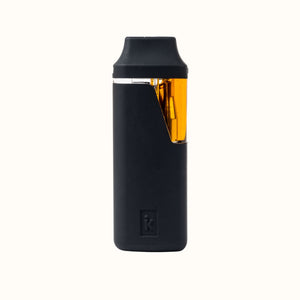
Pre-filled cartridges contain cannabis concentrate and heat through a battery device. Extremely convenient and discreet; users simply attach and inhale. Variable quality depending on manufacturer.
Advantages: maximum convenience, consistent dosing, truly portable. Disadvantages: highest per-mg cost, environmental waste, limited strain variety, quality varies dramatically, potential counterfeit products.
Smoking: Joints and Pipes
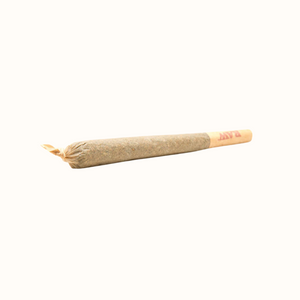
Rolling flower into joints requires rolling papers and skill (though easy to learn). Pipes offer reusable consumption requiring no skill but need cleaning. Bongs provide water-filtered smoking delivering slightly less-harsh smoke than joints/pipes.
Advantages: extremely simple, minimal equipment, ritual experience, communal consumption easy. Disadvantages: inefficient, harsh smoke, damage to respiratory health with regular use, lingering odor.
Practical Considerations: Odor
Smoking produces intense, long-lasting odor clinging to clothes, hair, spaces, and furniture. Cannabis smoke smell persists for hours or days and is obvious to anyone nearby. This makes smoking problematic in shared living spaces, around non-consenting individuals, or in situations requiring discretion.
Vaping produces minimal odor. Vapor mostly dissipates within minutes and smells significantly less intense than smoke. While not completely scentless (concentrated terpenes do have aroma), vaping allows discreet consumption in shared spaces that smoking does not permit.
For users in situations where discretion matters-whether due to living situations, professional considerations, or family-vaping's odor advantage alone may make it the clearly superior choice.
Social and Ritual Factors
Smoking involves ritual and social experience appealing to many users. Passing a joint or pipe, the sensory experience of smoking, the established cultural association-these create satisfaction beyond pharmacological effects. For social consumers, smoking fits established cannabis culture more naturally.
Vaping feels more clinical and less culturally embedded. Many recreational users prefer the social ritual of smoking and accept the health tradeoff for this experience.
Which Method is Right for You?
Choose Vaping if: You prioritize health, want to preserve flavor, seek efficiency and cost savings, live in shared spaces, need discretion, or consume regularly. Vaping serves nearly all use cases better than smoking.
Choose Smoking if: You value ritual and social experience above health considerations, prefer maximum simplicity with no equipment learning curve, or consume only occasionally and don't want equipment investment. Occasional smokers don't build sufficient respiratory damage for health to be primary consideration.
Use Both: Many experienced users maintain both options-vaping at home regularly, smoking socially or occasionally. This approach combines each method's advantages.
Getting Started with Vaping
If you're new to vaping, begin with a portable dry herb vape ($70-130 quality range) from established manufacturers. These offer favorable balance of cost, ease of use, and vapor quality. Start at 380°F, assess effects, adjust temperature higher for stronger effects or darker-colored vapor.
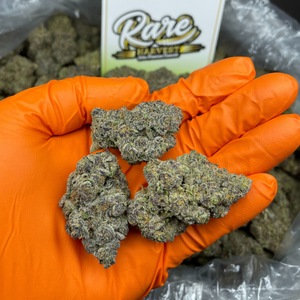
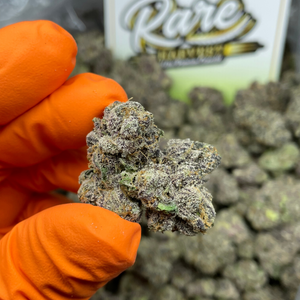
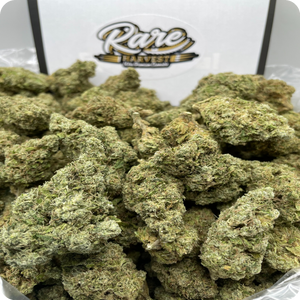
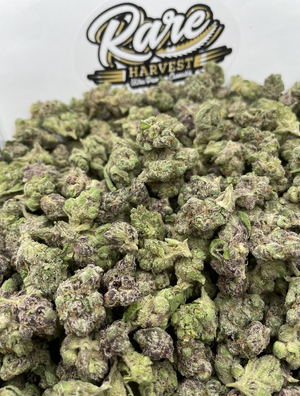
Your first vaping experience should use quality flower from Rare Harvest. Using recognizable strains lets you actually taste the difference between varieties-revealing vaping's flavor advantages immediately. Buy 1-2 grams and experiment with different temperatures to find your preference.
After 3-4 sessions, you'll develop intuition for your device. Most vapers find themselves preferring vaping within weeks-the flavor, efficiency, and discretion advantages compound over time.
Conclusion
Vaping and smoking represent fundamentally different marijuana consumption approaches. Vaping offers superior health profiles, flavor preservation, efficiency, cost savings, and discretion. Smoking provides simplicity, ritual, and social experience. The best method depends on your priorities: health-conscious regular users benefit most from vaping, while occasional social consumers may rationally choose smoking's simplicity and ritual experience.
For those seeking to optimize their cannabis consumption across health, enjoyment, and economics, Rare Harvest's quality flower serves both smoking and vaping excellently. Explore both methods with quality flower, discover which approach resonates with you, and build a consumption routine that maximizes your cannabis satisfaction.