




Wax vs Shatter: The Complete Guide to Cannabis Concentrate Types
Cannabis concentrates have become increasingly popular as users discover how potent, flavorful, and efficient these products are compared to flower. Yet the concentrate market includes numerous types-wax, shatter, crumble, budder, and others-each with distinct characteristics affecting consumption experience, potency, and enjoyment. Two of the most common varieties, wax and shatter, appear similar but possess fundamentally different properties that significantly impact how they're consumed. This comprehensive guide explains what creates these differences, how to use each effectively, and which concentrate type serves your specific needs.
We ship every order direct from the farm, ensuring you get the freshest exotic marijuana possible.
What Creates the Difference: Extraction and Crystallization
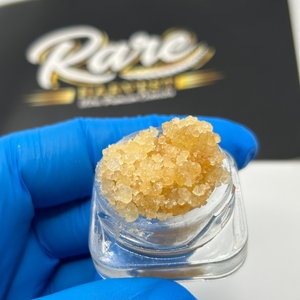
Wax and shatter both start as cannabis extract containing cannabinoids, terpenes, and plant lipids. The difference emerges during post-processing. Shatter is agitated minimally during and after extraction, allowing cannabinoid crystals to form organized, aligned structures. These aligned crystals create transparent or translucent material with a glass-like consistency-hence the name "shatter" (it fractures like glass).
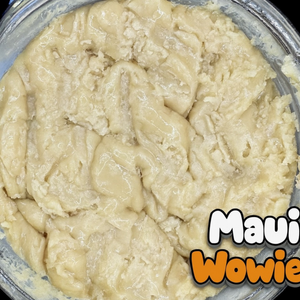
Wax undergoes more aggressive agitation and whipping during processing. This mechanical action breaks cannabinoid crystals into smaller, more randomly oriented structures. The result is opaque, creamy material with a texture resembling ear wax (hence the name). The same chemical compounds exist in both, but their physical structure differs dramatically.
This crystalline structure difference affects downstream properties: solidity at room temperature, texture, how it interacts with heat, flavor profile, and potency delivery. Understanding these implications allows informed selection between wax and shatter for your specific use case.
Potency Comparison
Both wax and shatter are extracted concentrates containing 60-90% THC by dry weight, compared to 15-30% in typical flower. This potency advantage makes concentrates powerful options requiring smaller amounts than flower to achieve equivalent effects.
Contrary to common belief, wax and shatter from identical starting material contain virtually identical THC percentages. The physical form (wax vs shatter) does not significantly impact potency. A shatter at 85% THC contains roughly the same active compounds as a wax at 85% THC. This means choosing wax or shatter is not primarily a potency decision; the cannabinoid content remains equivalent across both formats.
However, wax's opaque appearance sometimes leads users to incorrectly assume it's less pure or potent than transparent shatter. This is a common misconception. Both formats are equally potent at equivalent THC percentages; crystalline structure doesn't alter cannabinoid concentration.
Flavor Profile Differences
Because both wax and shatter contain identical terpene profiles from their source material, their base flavors are equivalent. However, the concentrate form affects how we experience flavor.
Shatter's glass-like consistency allows heat to distribute evenly and quickly during dabbing. This rapid vaporization releases terpenes efficiently, producing robust, complex flavor. The clean, complete vaporization minimizes residual burn taste. Many concentrate enthusiasts prefer shatter's flavor profile for this reason-you taste the actual strain characteristics rather than burnt plant matter.
Wax's creamy texture heats slightly less evenly during dabbing. Some portions may reach vaporization temperature while others lag, creating less-complete terpene release. Additionally, wax's higher surface area sometimes accumulates slight oxidation (exposure to oxygen), which slightly mutes flavor. The difference is subtle but noticeable in side-by-side comparison: shatter typically tastes cleaner and more vibrant than wax from the same plant material.
For users prioritizing maximum flavor and wanting to taste subtle strain characteristics, shatter provides marginal advantage over wax. However, many users find wax's flavor entirely adequate and can't discern the difference in blind tastings.
Consistency and Texture Differences
Shatter: Hard, glass-like, translucent or amber-colored. At room temperature, shatters into small fragments when broken. Does not stick to fingers or containers. Requires heating to become workable for consumption. Appearance suggests purity and quality to many users, though this is largely psychological.
Wax: Soft, creamy, opaque. Sticks together and can be handled at room temperature. Creamy consistency makes it easier to portion without tools. Less likely to shatter in storage or transport. Appearance may suggest lower quality to users unfamiliar with concentrates, though this is inaccurate.
For many users, wax's ease of handling (no heating required to portion) outweighs shatter's aesthetic appeal. The soft texture allows tearing off appropriate-sized pieces by hand without special tools.
Consumption Methods and Technique
Dabbing Shatter
Shatter requires heating to vaporize. Traditional dab rigs use a heated nail (quartz, titanium, or ceramic, heated with a torch to 600-900°F) into which you place a small shatter piece ("dab"). The intense heat immediately vaporizes the shatter, producing potent vapor inhaled through the rig.
Alternatively, electronic nails (e-nails) heat to precise temperatures (500-700°F for optimal flavor and effect), eliminating torch requirement. Some users prefer electronic nails because temperature control reduces burnt flavor from overheating.
Shatter's glass-like consistency actually works well for dabbing-you can easily portion and control the amount being consumed. Pieces break cleanly and can be sized from tiny (5mg) to large (100mg+) doses.
Dabbing Wax
Wax consumes identically to shatter in dab rigs, using the same heating methods (torch or e-nail). The main difference is handling: wax's soft texture makes precise portioning slightly more challenging since it sticks to tools. Many users use specialized dabbing tools (spoon-shaped or scooped instruments) to portion wax more easily.
Temperature-wise, wax may benefit from slightly lower heating than shatter (50-75°F cooler) because its higher surface area heats more quickly. Optimal wax dabbing temperatures typically run 500-650°F depending on rig and terpene profile.
Vape Cartridges and Pens
Neither traditional shatter nor wax works directly in vape cartridges, which require liquid or thin-oil formulations. However, wax can be converted to cartridge-compatible form by thinning with vape-safe solvents. Shatter's brittle texture makes this more difficult.
Storage and Shelf Life
Shatter: Stable under proper conditions (cool, dark, airtight). Shatters' lack of moisture and stable crystal structure make them shelf-stable for months. Risk: if exposed to heat or moisture, shatter can degrade into wax-like consistency or develop cloudiness.
Wax: Also stable long-term with proper storage. Softer consistency actually provides advantage-it doesn't fragment during storage or transport. Risk: heat exposure causes wax to melt or separate. Moisture exposure degrades both concentrates equally.
Both concentrates should be stored in airtight containers in cool, dark conditions (50-60°F ideal, room temperature acceptable short-term). Refrigeration or freezing extends shelf life significantly beyond room temperature storage. Properly stored concentrates remain viable for 6-12 months; improperly stored material can degrade in weeks.
Practical Storage Comparison
Wax is slightly more forgiving in terms of transport and casual storage since it doesn't shatter if dropped. Shatter requires slightly more careful handling to avoid fragmentation. For home storage where temperature and humidity are controlled, both formats perform equivalently.
Dab Temperature Ranges Explained
Dab temperature dramatically affects the experience. Too-low temperatures produce weak vapor and wasted concentrate. Too-high temperatures burn the concentrate, creating harsh smoke and destroyed terpenes.
Low Temperature (450-550°F): Preserves maximum flavor and terpene expression. Produces lighter vapor, requiring longer inhalation. Best for flavor-focused users. Works better with wax due to higher surface area.
Medium Temperature (550-700°F): Balanced approach providing good flavor alongside adequate potency and vapor production. Most dabbers default to this range. Works equally well with wax or shatter.
High Temperature (700-900°F): Maximum vapor and strongest effects at expense of flavor. Produces harsh taste and loses terpene subtlety. Traditionally used with torch and nail; difficult to control precisely without e-nail.
Modern e-nails allow precise temperature selection, solving traditional dabbing's temperature-control problem. Serious concentrate users often invest in e-nails ($100-300) for this reason-precise temperature control dramatically improves the experience.
Cost Comparison and Value
Wax and shatter typically price equivalently at most dispensaries ($40-80 per gram depending on quality and location). The physical form doesn't impact price; consistency reflects production method rather than value difference.
Both concentrates are dramatically more cost-efficient than flower when considering potency per dollar. A $60 gram of 85% THC concentrate delivers equivalent cannabinoids to approximately 3-4 grams of 20% THC flower (worth $30-40). This efficiency advantage explains concentrate's growing popularity despite higher per-gram pricing.
Which Format Should You Choose?
Choose Shatter if: You prioritize flavor and want the clearest taste of strain characteristics, prefer visually clear/amber products (aesthetic preference), have proper dabbing equipment (nail/rig), or want maximum shelf stability. Shatter's only genuine advantage is marginally better flavor through more complete terpene vaporization.
Choose Wax if: You prefer easier handling and portioning without special tools, live in warmer climates where shatter may melt, want slightly more forgiving storage/transport properties, or are new to dabbing and want to experiment. For most users, wax's practical advantages outweigh shatter's marginal flavor edge.
Reality Check: Most concentrate consumers can't identify wax or shatter blind. The psychological preference for shatter's appearance often exceeds genuine sensory differences. Try both, develop your own preference, and choose accordingly rather than assuming one is objectively superior.
Getting Started with Concentrates
If you're new to concentrates, begin with a small amount (0.25-0.5 grams) of wax. Wax's easier handling makes it forgiving for first-time concentrate users. Use an e-nail set to 580-600°F if possible; torch temperature control is difficult for beginners.
Start with a tiny dab (rice-grain sized, roughly 5-10mg). Assess effects and adjust up only if needed. Concentrate effects are intense and rapid (5-15 minutes to peak). Conservative first dosing prevents overwhelming experiences.
High-quality concentrates from Rare Harvest are ideal for learning concentrates; exceptional starting material produces superior flavor and effects compared to lower-quality concentrates. Once you understand concentrate consumption, you can explore shatter, different terpene profiles, and advanced techniques.
Conclusion
Wax and shatter are essentially equivalent products with minor consistency differences affecting handling and flavor. Shatter provides marginally superior flavor through more efficient terpene vaporization. Wax offers easier handling and portioning. Both are potent, efficient, and cost-effective compared to flower. The choice between them should reflect personal preference and practical convenience rather than false beliefs about potency or purity differences.
For those new to concentrates, wax's ease of handling makes it the logical starting point. More experienced users may explore shatter for its flavor advantages or develop preferences for specific concentrate types. Regardless, both formats represent excellent cannabis products delivering efficient, potent, flavorful consumption.