







Taking a break from weed is one of the most useful things a regular marijuana smoker can do — and one of the least discussed. Whether your tolerance has climbed to the point where it takes twice the weed to feel half the effect, you have a drug test coming up, or you just want to reset your relationship with marijuana, a well-executed tolerance break pays dividends. This guide covers the science of THC detox, realistic timelines for clearing your system, how to manage the uncomfortable parts of a T-break, and how to return to weed smarter on the other side.
Why Your Tolerance Builds (The Science)
THC binds to CB1 receptors in your brain's endocannabinoid system. With regular marijuana use, those receptors downregulate — they decrease in number and sensitivity as your brain adapts to constant cannabinoid stimulation. This is tolerance: the same amount of weed produces diminishing effects because fewer functional receptors are available to respond.
Research shows that CB1 receptor density begins recovering within 48 hours of stopping marijuana use, with significant recovery measurable at 2 weeks and near-complete restoration by 4 weeks in most regular users. This is why a 2-week tolerance break is often described as a reset — because neurologically, it largely is one. After your break, the same weed that barely moved you will hit with the impact it had when you first started using marijuana.
THC Detox Timelines: What to Expect
How long THC stays in your system depends on frequency of use, body fat (THC metabolites are lipophilic — they store in fat tissue), metabolism, and the potency of weed you've been consuming. Here are realistic general timelines:
- Occasional weed users (1-2x/week): THC metabolites typically clear blood within 3-4 days, urine within 3-10 days, saliva within 1-3 days, hair within 90 days (hair tests detect prior use, not current impairment)
- Moderate users (4-5x/week): Blood 1-7 days, urine 7-21 days, saliva 1-7 days
- Daily weed users: Blood up to 30 days, urine 30-90 days (sometimes longer), saliva up to 30 days
- Heavy daily users of high-THC weed: Urine detection up to 90+ days in some cases, particularly for those with higher body fat percentages
These are statistical ranges, not guarantees. Individual variation is significant. If you have a specific drug test date, the only reliable approach is to stop using marijuana as early as possible and potentially use a home test kit to confirm before the actual test.
The 3-Day T-Break: Micro-Reset
For daily weed users experiencing significant tolerance, even 72 hours without marijuana begins meaningful CB1 receptor recovery. A 3-day break isn't a full reset, but it's enough to notice a difference. During those 72 hours, you'll likely experience:
- Days 1-2: Mild irritability, sleep disruption (rebound REM sleep), possibly reduced appetite
- Day 3: Most acute symptoms improve; many users report feeling clearer-headed than they have in months
After a 3-day break, resume with significantly reduced amounts of weed — your sensitivity has increased, so dose accordingly to avoid an unexpectedly intense marijuana experience.
The 7-Day T-Break: The Sweet Spot
One week off marijuana is the most commonly recommended break duration because it balances meaningful receptor recovery with manageable discomfort. By day 7, most regular weed users notice:
- Sleep quality has improved (the initial REM rebound resolved)
- Appetite is normal
- Mood is more stable
- Motivation and energy have returned to baseline
A 7-day break typically reduces weed tolerance by 30-50% for regular users, meaning you'll need significantly less marijuana to achieve the effects you want when you resume. This translates to real savings on your weed budget over time.
The 30-Day T-Break: Full Reset
For heavy daily weed users or anyone who wants a thorough reset, 30 days is the gold standard. By the end of a month without marijuana, CB1 receptor density has largely recovered to baseline in most studies. You'll also have broken the psychological habituation around weed — the automatic reach for marijuana when you're bored, stressed, or trying to sleep.
30-day breaks are harder psychologically than physiologically. The physical dependence on weed (for non-addicted users) typically resolves in 1-2 weeks. What remains is the habitual aspect — the ingrained patterns of when and why you smoke marijuana. Changing those patterns deliberately during a T-break sets you up for more intentional weed use when you return.
Managing Tolerance Break Symptoms
Regular weed users stopping cold turkey can experience some discomfort, especially in the first few days:
- Sleep disruption: Most common complaint during marijuana breaks. Your brain rebounds into heavy REM sleep, causing vivid and often strange dreams. This normalizes within 1-2 weeks. Melatonin (0.5-3mg) can help during the transition.
- Irritability: THC modulates stress response — without it, some users feel more reactive. Exercise is the most effective intervention.
- Reduced appetite: THC stimulates appetite via CB1 receptors. During a T-break, hunger cues may feel less pronounced initially. Eating scheduled meals helps normalize this.
- Anxiety: Some regular marijuana users experience mild anxiety during breaks, particularly if they used weed primarily to manage stress. Breathing exercises, physical activity, and social support all help.
- Boredom/restlessness: Often described as the hardest part — the habit of reaching for weed in idle moments. Replace with any absorbing activity: exercise, creative projects, gaming, reading.
Returning to Weed After a Break: Do It Right
Coming back to marijuana after a successful break is a genuinely enjoyable experience — if you don't immediately undo all your reset work by diving back to your old consumption level. Tips for a smart return:
- Start with half your old dose. Your sensitivity is significantly higher. One or two hits of the same weed that used to require five will be enough.
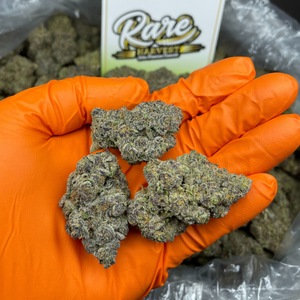
- Try something new. Your reset is the perfect time to explore a new strain you've been curious about. Consider strains with novel terpene profiles from Rare Harvest's exotic weed collection.
- Establish new patterns. Don't just resume the same consumption habits that eroded your tolerance in the first place. Use your break to consciously redesign when and how you use marijuana.
- Consider lower-frequency use. Many former daily weed users find that 3-4x/week use post-break provides better effects than daily use did before — with the bonus of lower spend and more preserved sensitivity.
Great strains to come back to after a tolerance break: Jelly Donutz (if you want to experience what truly high-THC weed feels like on a fresh system), Blue Dream (a classic moderate-THC weed that's perfect for gentle reintroduction), or Harlequin (CBD-rich marijuana for the most cautious re-entry).
FAQ: Weed Detox & Tolerance Break
Is Rare Harvest weed legal to order after a tolerance break?
Yes. All Rare Harvest weed is compliant with the 2018 Farm Bill, containing less than 0.3% delta-9 THC by dry weight. Legal to order in most US states whenever you're ready to return to marijuana.
Will a tolerance break help me pass a drug test?
Stopping marijuana use is the only reliable way to reduce THC metabolite levels for drug testing purposes. The timelines in this guide are general estimates — individual results vary significantly. Use a home urine test kit to confirm your status before any important test.
Can I use CBD during a tolerance break?
Yes. CBD does not bind strongly to CB1 receptors and will not prevent receptor recovery during a tolerance break. CBD-rich products may even be helpful for managing some T-break symptoms, particularly anxiety and sleep disruption.
How long before I notice effects after ending my T-break?
Immediately. The increased sensitivity from receptor recovery is present from your first session back. This is why starting with very small amounts of weed on your first day back is critical — the same marijuana that barely worked before your break will hit significantly harder.
Is marijuana physically addictive?
Cannabis use disorder is real but affects a minority of users (approximately 9% overall, higher for daily users). Physical withdrawal symptoms are typically mild compared to substances like alcohol or opioids — mainly sleep disruption, irritability, and reduced appetite. Most regular weed users complete tolerance breaks without significant difficulty, especially with a clear goal and social support.