





Last Updated: March 2026
The weed vs. alcohol debate has never been more relevant. With marijuana legalization expanding across the US, millions of adults are reconsidering their relationship with alcohol and asking a fundamental question: is weed a better choice than drinking? This comprehensive 2026 comparison examines the health effects, social dynamics, cognitive impact, and practical considerations of choosing marijuana over alcohol — or combining them thoughtfully. Whether you're a longtime weed smoker curious about how marijuana compares to drinking, or an alcohol drinker considering making the switch, this guide provides the honest, evidence-based comparison you need.
The Health Comparison: Weed vs. Alcohol
When it comes to health impact, the scientific research strongly favors weed over alcohol. Chronic alcohol consumption is directly linked to liver disease, cardiovascular damage, increased cancer risk (particularly oral, esophageal, and breast cancers), neurological damage, and immune system suppression. The World Health Organization classifies alcohol as a Group 1 carcinogen — the same category as tobacco. Marijuana, by contrast, does not carry the same evidence of organ damage at moderate use levels. While smoking weed does expose the lungs to combustion products (a concern mitigated by vaporizing), the systemic health impacts of regular marijuana use pale in comparison to regular alcohol consumption. Regular weed smokers don't develop fatty liver disease, alcohol-related cancers, or the progressive organ damage that makes chronic drinking so medically dangerous.
Cognitive Effects: How Weed and Alcohol Affect Your Brain
Alcohol impairs coordination, judgment, and reaction time at moderate doses, with effects that worsen as consumption increases. Drunk driving is one of the leading causes of traffic fatalities in the US — a direct consequence of alcohol's profound impairment of motor function and decision-making. Marijuana affects cognition differently: the THC high alters perception and time sense, and weed smokers typically experience reduced motivation to drive (unlike drunk drivers, who often overestimate their capability). Research on marijuana-impaired driving shows increased following distance and decreased speed — cautious behavior contrasting sharply with alcohol's false confidence. Long-term cognitive effects also differ: heavy chronic alcohol use causes permanent neurological damage and cognitive decline, while the cognitive effects of even heavy long-term marijuana use are more modest and, in many studies, reversible after cessation.
Social and Behavioral Considerations
Alcohol is strongly associated with aggressive behavior, domestic violence, and other antisocial outcomes. The disinhibition produced by alcohol regularly leads to fights, accidents, and regrettable decisions that weed simply doesn't replicate. Marijuana's social effects tend toward increased empathy, relaxed social interaction, and heightened appreciation for shared experiences — music, conversation, food. Weed parties and marijuana social sessions rarely end in violence or legal trouble the way alcohol-fueled events do. Many adults who have transitioned from drinking to weed report dramatically improved social lives — more genuine connection, less hangover, fewer embarrassing decisions they regret the next morning. The social appeal of exotic weed is real and growing, particularly among health-conscious consumers who still want to enjoy social relaxation.
Hangover Comparison
Alcohol hangovers are among the most universally dreaded experiences in recreational substance use — headaches, nausea, anxiety ("hangxiety"), fatigue, and dehydration that can ruin an entire day. Marijuana doesn't produce a true hangover in the same sense. Some weed smokers report a mild "weed hangover" — slight grogginess or mental fogginess the morning after heavy marijuana consumption — but this is generally mild compared to alcohol hangovers and resolves quickly with water and food. The absence of a serious hangover is one of the most commonly cited reasons adults switch from drinking to weed. Being able to enjoy marijuana in the evening and wake up feeling normal the next day is a genuine quality-of-life improvement that alcohol simply can't offer.
Caloric and Metabolic Impact
Alcohol is calorie-dense and metabolically disruptive. Regular drinking contributes significantly to weight gain, insulin resistance, and disrupted sleep quality — a triple threat for metabolic health. Marijuana doesn't contain calories in its smoked or vaporized form, and while weed does stimulate appetite (the famous "munchies"), the actual impact on body weight is surprisingly neutral in research — many regular weed smokers have lower body weight and insulin resistance than non-users. The metabolic advantages of substituting marijuana for alcohol are meaningful for health-conscious consumers.
Legal Considerations in 2026
Alcohol is federally legal across the United States, while marijuana remains federally scheduled despite widespread state legalization. However, the 2018 Farm Bill created a significant legal pathway for marijuana access: THCa flower containing less than 0.3% delta-9 THC by dry weight is federally legal hemp, making premium weed accessible nationwide without a dispensary. Note that state-level rules vary, and H.R. 5371 takes effect November 12, 2026, with potential changes to THCa's legal status — though several pending bills may delay or alter this outcome.
When Alcohol May Still Be Preferred
This guide isn't anti-alcohol advocacy — it's an honest comparison. There are situations where alcohol's social familiarity, legal universality, and specific flavor profiles (fine wine, craft beer, aged spirits) provide experiences that weed doesn't replicate. For people who enjoy a glass of wine with dinner or the craft beer culture, alcohol serves a genuine role. The key is honest comparison: understanding what you're choosing and why, and recognizing that for health-conscious adults seeking relaxation and social enhancement, marijuana is objectively the lower-risk choice.
Frequently Asked Questions
Is weed healthier than alcohol?
Based on current research, moderate marijuana use poses significantly fewer long-term health risks than regular alcohol consumption. Alcohol is directly linked to liver disease, cancer, and neurological damage in ways that marijuana research has not replicated. This doesn't mean weed is risk-free, but the evidence strongly favors marijuana as the lower-risk option.
Can you mix weed and alcohol?
Combining weed and alcohol ("crossfading") intensifies the effects of both substances and is not recommended for inexperienced users. The combination can increase nausea, intensify impairment, and lead to uncomfortable experiences, particularly with higher-THC exotic weed strains. If you choose to combine both, use very small amounts of each.
Does weed help with alcohol withdrawal?
Some research suggests marijuana may help manage alcohol withdrawal symptoms, but severe alcohol withdrawal is medically dangerous and should be managed under medical supervision. Weed is not a substitute for medical care in serious withdrawal situations.
Where can I find the best weed for replacing alcohol socially?
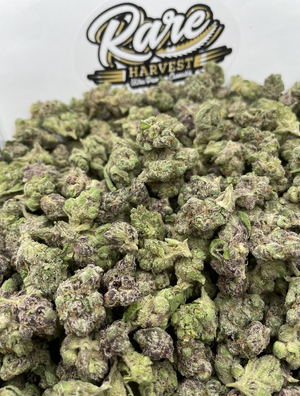
Social hybrid weed strains like Cherry Runtz, Strawberry Runtz, and Purple Runtz are popular choices for replacing alcohol in social settings. Browse Rare Harvest's exotic weed collection for premium marijuana delivered legally to your door under the 2018 Farm Bill.
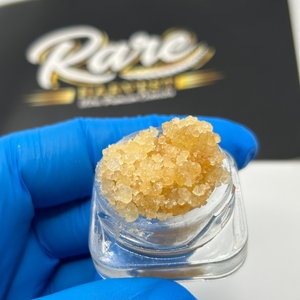
Making the switch from alcohol to marijuana? Explore Rare Harvest's exotic weed collection for premium, lab-tested weed that makes social relaxation enjoyable without the next-morning regret of alcohol.