




What Are Cannabis Concentrates? A Complete Guide to Weed Concentrate Types and Potency
Marijuana concentrates represent some of the most potent and versatile products available to weed consumers, yet many people remain unfamiliar with what they are, how they're made, and how to use them. Unlike flower, which contains cannabinoids distributed throughout plant material, concentrates isolate and concentrate the active compounds-cannabinoids and terpenes-into highly potent products. This comprehensive guide demystifies cannabis concentrates, explaining the major types, how potency works, and practical consumption methods for incorporating concentrates into your routine.
We ship every order direct from the farm, ensuring you get the freshest exotic marijuana possible.
What Exactly Are Cannabis Concentrates?
Cannabis concentrates are products created by extracting cannabinoids and terpenes from weed plant material, leaving behind unwanted plant matter. The result is a concentrated form of the beneficial compounds from cannabis, typically containing 60-95% cannabinoids by weight, compared to 10-30% in traditional flower. This dramatic increase in potency is what defines concentrates and makes them appealing to experienced users seeking more efficient consumption.
Concentrates are created through various extraction methods, each producing different textures, appearances, and effects. The extraction process determines the final product's characteristics. Some concentrates retain the full spectrum of compounds from the original weed strain, while others undergo further processing to isolate specific cannabinoids. Understanding these differences helps you choose concentrates that align with your preferences and consumption methods.
Understanding Concentrate Potency
One defining feature of marijuana concentrates is their exceptional potency. While typical marijuana flower contains 10-30% THC by weight, concentrates routinely exceed 60% THC, with exotic weed products reaching 80-95%. This concentrated form means small amounts deliver effects comparable to much larger quantities of flower.
Potency in concentrates isn't just about THC percentage-it's about the concentration of all active compounds. Full-spectrum concentrates preserve cannabinoids like CBD, CBN, and others alongside THC, as well as the terpene profile that creates distinctive effects and flavors. Distillate concentrates may be more potent in THC percentage but less flavorful because terpenes are stripped during processing. Understanding this distinction helps you evaluate concentrate quality beyond simple THC numbers.
For new concentrate consumers, the high potency requires careful dosing. Many people familiar with flower unknowingly consume far more THC than intended when first trying concentrates. This is why starting with very small amounts-often just a grain or two of material-is recommended. A single small dab of high-potency concentrate provides effects equivalent to smoking several bowls of flower.
Wax: The Creamy Concentrate
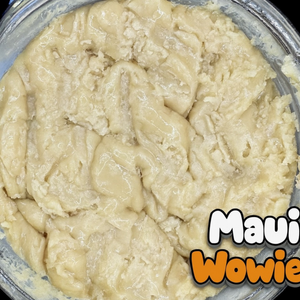
Wax is one of the most popular cannabis concentrates, characterized by its soft, creamy texture ranging from pale gold to dark brown. The name derives from its appearance and consistency-like literal wax. Wax concentrates are created through extraction methods that include whipping or agitation during processing, which incorporates air into the extract and creates the whipped texture.
Wax concentrates are ideal for dabbing (the primary consumption method for most cannabis concentrates) and are also popular for mixing into joints or blunts to enhance potency. The texture makes wax easy to portion out compared to some other concentrate types. Potency typically ranges from 70-85% THC, making wax a reliable choice for experienced users. The agitation during creation preserves a relatively full terpene profile, providing good flavor and aroma.
Wax concentrates tend to have a shorter shelf life than some alternatives because their increased surface area makes them more prone to oxidation. Proper storage in airtight containers away from light and heat extends shelf life significantly.
Shatter: The Glass-Like Concentrate
Shatter is a marijuana concentrate with a hard, brittle, glass-like appearance and texture. The name perfectly describes it-shatter shatters into pieces like glass when broken apart. This distinctive appearance results from extraction methods that avoid agitation during processing, creating a stable, translucent product that can be nearly clear or golden amber depending on the strain and purity.
The hard consistency of shatter makes it somewhat less convenient than wax for handling and dosing, as breaking off appropriate amounts requires deliberate techniques. However, the glass-like appearance is prized by enthusiasts because it typically indicates high purity and quality. Shatter concentrates often achieve 80-95% THC, making them among the most potent cannabis products available.
Like wax, shatter is best consumed through dabbing. The brittle texture actually works well for precise dabbing since small pieces cleanly separate from the larger whole. Shatter stores well for extended periods due to lower surface area and reduced oxidation risk compared to wax. Cold storage preserves quality and maintains the glass-like appearance.
Rosin: The Solventless Concentrate
Rosin represents a category of cannabis concentrates created without chemical solvents, using only heat and pressure to extract cannabinoids and terpenes from marijuana. The process involves placing weed in a machine that applies intense heat and pressure, forcing the desired compounds out of the plant material. The result is a concentrate that can range from shatter-like to budder-like depending on temperature and pressure settings during processing.
Rosin concentrates are highly prized for their full-spectrum profile-because no harsh chemicals are used, rosin retains the complete cannabinoid and terpene profile of the original weed strain. Many enthusiasts consider rosin to be the purest form of concentrate, with superior flavor and more comprehensive effects compared to solvent-based concentrates. Potency ranges from 70-90%, comparable to other exotic concentrate types.
Rosin can be produced from flower ("flower rosin") or from kief and hash ("hash rosin" or "temple balls"), with hash rosin generally considered superior due to higher purity and better flavor. Live rosin, made from freshly frozen cannabis material, has gained significant popularity for exceptional terpene preservation. Rosin's purity comes at a cost-it typically commands higher prices than solvent-based concentrates.
Live Resin: The Terpene-Rich Concentrate
Live resin represents a significant advancement in concentrate technology, created by extracting fresh, flash-frozen cannabis material rather than dried and cured flower. Because fresh marijuana contains higher levels of volatile terpenes before they're lost during drying, live resin concentrates capture a more complete terpene profile from the original marijuana strain. The result is a concentrate with exceptional flavor, aroma, and nuanced effects that closely mirror the fresh plant.
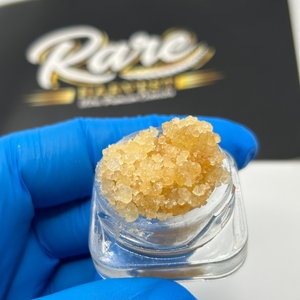
Live resin typically has a creamy or sauce-like consistency, often containing larger crystalline structures (THCA crystals) suspended in a terpene-rich oil. This appearance and texture are distinctive and immediately recognizable. The terpene content of live resin is significantly higher than standard concentrates, often exceeding 10-15% total terpenes compared to 2-5% in other types. This terpene richness creates more complex, nuanced effects and superior flavor profiles.
The top shelf nature of live resin-requiring specialized equipment and fresh starting material-means it commands higher prices than standard concentrates. However, enthusiasts who prioritize flavor, aroma, and complete effects consider live resin worth the exotic cost. Live rosin (the solventless version of live resin) represents the pinnacle of concentrate technology for many connoisseurs.
Distillate: The Refined Concentrate
Distillate is a highly refined cannabis concentrate created through distillation, a process that separates compounds based on their boiling points. The result is an almost pure cannabinoid product, typically 85-99% THC with minimal or no terpenes. Distillate appears as a clear, viscous, honey-like oil that's essentially tasteless and odorless.
Distillate's appeal lies in its purity and versatility. Because it contains virtually pure THC with minimal other compounds, dosing is extremely predictable and consistent. Distillate is frequently used to create edibles, vape cartridges, and topicals because it can be accurately dosed and combined with other ingredients without interference from terpenes or other cannabinoids.
The trade-off is flavor and the entourage effect. Because terpenes are removed, distillate lacks the distinctive flavor profile of the original weed strain and may produce less nuanced effects. Some distillate manufacturers re-add terpenes after processing, creating products with improved flavor while maintaining the purity benefits. These "terped" distillates offer a middle ground between pure distillate and full-spectrum concentrates.
Hash: The Ancient Concentrate
Hash is one of the oldest forms of cannabis concentrate, created by collecting and compressing resin glands (trichomes) from the marijuana plant. Traditional methods involve sieving dried weed through fine mesh screens to collect kief (the separated resin glands), which is then pressed and aged. Modern hash can be created through various methods, including ice-water extraction, producing water hash.
Hash concentrates are solid or paste-like, ranging from light tan to dark brown or black depending on processing method and age. Potency ranges widely-traditional hash typically contains 40-60% cannabinoids, while modern bubble hash and other advanced hash types can exceed 60-80%. Full-spectrum hash retains the plant's complete cannabinoid and terpene profile, making it appealing to those prioritizing natural compounds and effects.
Hash is consumed through dabbing, smoking in pipes or joints, or vaporizing, making it more versatile than some other concentrate types. The traditional and artisanal nature of quality hash appeals to cannabis connoisseurs who appreciate the craft and complexity of traditional concentrate methods.
Primary Consumption Methods for Marijuana Concentrates
Dabbing: The most popular method for consuming concentrates. Dabbing involves using a specialized water pipe (dab rig) with a heated surface (banger or nail) to vaporize small amounts of concentrate. The resulting vapor is inhaled through the water filtration of the rig. Dabbing provides rapid onset (seconds) and full cannabinoid absorption.
Vaporizing: Many vaporizers are designed to handle concentrate, using heat without combustion to release cannabinoids and terpenes. This method is less intense than traditional dabbing but provides better flavor preservation and efficiency compared to smoking.
Mixing with Flower: Adding small amounts of concentrate to flower increases potency without requiring specialized equipment. Users can crumble concentrates into joints or bowls of flower.
Edible Infusion: Concentrates, particularly distillate, are frequently infused into edibles, providing precise dosing and predictable effects.
Choosing the Right Concentrate for Your Needs
Selecting appropriate cannabis concentrates depends on your priorities:
If flavor and full-spectrum effects matter most, choose live resin, live rosin, or hash. If pure potency and precision dosing are your goals, distillate excels. If you want a balance of potency, flavor, and quality, wax or shatter provide reliable options. Solventless options like rosin appeal to health-conscious consumers who prefer concentrates made without chemical solvents.
FAQ: Cannabis Concentrate Questions
Q: Are all weed concentrates equally potent?
A: No. While most quality concentrates range from 70-90% THC, potency varies by extraction method, starting material, and processing technique. Distillate typically achieves the highest THC percentage; other types vary.
Q: Can concentrates be stored long-term?
A: Yes, properly stored concentrates last months or even years. Store in airtight containers away from light and heat. Shatter and hard concentrates store longer than wax due to lower surface area.
Q: Are marijuana concentrates safer to use than flower?
A: Neither is inherently safer-safety depends on dose control and consumption method. Concentrates require much smaller quantities due to potency, which can actually promote safer dosing if users respect the potency difference.
Q: What's the difference between live resin and regular wax?
A: Live resin is made from fresh-frozen plant material and contains significantly more terpenes, providing superior flavor. Regular wax is made from dried material with lower terpene content. Both are equally potent in THC.
Exploring Concentrates Safely
Cannabis concentrates offer experienced users an efficient, potent way to consume cannabis with minimal plant material and smoke. Starting with very small doses, understanding the potency difference from flower, and choosing a consumption method that suits your needs ensures safe, enjoyable experiences. Our concentrates collection offers carefully selected top shelf products, from full-spectrum rosin to convenient distillate options. Whether you're exploring concentrates for the first time or expanding your concentrate preferences, understanding the types available helps you make informed choices aligned with your cannabis goals.