





How to Choose the Right Weed Strain for Your Needs
With thousands of cannabis strains available today, selecting the right weed strain for your needs can feel overwhelming. Each strain offers unique effects, flavors, and therapeutic benefits based on its genetic lineage, cannabinoid profile, and terpene composition. Whether you're seeking pain relief, improved sleep, creative enhancement, or simple relaxation, the strain you choose fundamentally determines your experience. Rather than relying on guesswork or peer recommendations that may not apply to your individual biology, understanding the science behind strain selection empowers you to make informed decisions. This comprehensive guide walks you through a systematic, six-step process for choosing the perfect weed strain tailored to your specific goals and physiology.
Step 1: Identify Your Goals
Before evaluating any strain, clearly identify what you want to achieve with cannabis. Your primary goal dramatically influences which strains will be most effective for you. Are you using cannabis for medical purposes like pain management, anxiety relief, or sleep improvement? Or are you seeking recreational effects like social enhancement, creative stimulation, or deep relaxation? Many users benefit from having multiple strains available for different situations.
Sleep Enhancement
If improved sleep is your goal, you need heavy indica strains with strong sedative properties. Look for strains like Granddaddy Purple, Northern Lights, or Afghan strains known for their myrcene-rich, body-relaxing effects. These strains promote sleep onset and improve sleep quality by inducing full-body relaxation that quiets racing thoughts.
Energy and Focus
For daytime productivity and mental clarity, sativa-dominant or balanced hybrid strains work best. These provide mental stimulation, focus, and mood elevation without sedation. Strains like Jack Herer, Sour Diesel, or Green Crack offer cerebral effects ideal for creative work and social engagement.
Pain and Inflammation
Pain management requires strains with strong analgesic and anti-inflammatory properties. Both high-CBD strains (ACDC, Harlequin) for non-intoxicating relief and balanced strains like Blue Dream work well depending on your pain severity and tolerance for THC effects.
Anxiety and Stress
Anxiety reduction benefits from CBD-dominant or balanced strains that calm without excessive intoxication. Strains like Cannatonic, Remedy, or Cherry Pie provide anxiety relief while maintaining mental clarity and function.
Creativity and Social Enhancement
Moderate-THC sativas and balanced hybrids promote divergent thinking, social confidence, and creative ideation. Jack Herer, Blue Dream, and Tangie excel at enhancing creativity while maintaining enough lucidity to actually accomplish creative work.
Step 2: Understand Indica, Sativa, and Hybrid Strains
Cannabis strains fall into three primary categories based on their plant morphology and effects. Understanding these categories helps narrow your strain selection significantly. This ancient classification system, while not perfect, still provides useful guidance for predicting basic strain effects.
Indica Strains
Indicas originated in the Hindu Kush mountains and are characterized by short, bushy plants with wide leaves. These strains typically contain higher myrcene concentrations, producing relaxing, sedative effects. Indicas excel at promoting sleep, reducing anxiety, and providing full-body muscle relaxation. THC levels in indicas often exceed 15-25%, making them powerful for pain and sleep. If your goal involves relaxation, sleep, or evening use, indicas are your primary consideration.
Sativa Strains
Sativas originated in equatorial regions and feature tall, lanky plants with thin leaves. These strains typically produce uplifting, energetic, and cerebral effects ideal for daytime use. Sativas often contain higher pinene and limonene concentrations, promoting focus and mood elevation. Many pure sativas are high-THC strains (18-25%+) that can feel intense. If you need mental stimulation, creativity, or energy, sativas warrant consideration. However, be cautious with pure high-THC sativas if you're anxiety-prone, as they can intensify anxiety in susceptible individuals.
Hybrid Strains
Hybrids combine indica and sativa genetics in various ratios, creating strains optimized for specific effect profiles. A 50/50 balanced hybrid offers flexibility for different times of day. Sativa-dominant hybrids (60% sativa/40% indica) provide mental clarity with some relaxation. Indica-dominant hybrids (70% indica/30% sativa) deliver relaxation with residual mental function. Many modern strains are hybrids specifically engineered for particular effects or cannabinoid ratios.
Step 3: Consider THC vs. CBD Levels
Cannabinoid ratio profoundly influences strain effects. THC produces psychoactive effects and pain relief, while CBD provides non-intoxicating therapeutic benefits. Understanding your ideal THC:CBD ratio is essential for strain selection.
High-THC Strains (15-25% THC, <1% CBD)
These potent strains produce strong psychoactive effects and rapid pain relief. High-THC strains work well for experienced users seeking powerful effects, but they can overwhelm newcomers or anxiety-sensitive individuals. Use these strains cautiously if you're prone to anxiety or paranoia.
Balanced Strains (8-15% THC, 5-10% CBD)
These strains provide both THC effects and CBD benefits simultaneously. The CBD modulates THC's psychoactive intensity while providing anti-inflammatory and anxiolytic effects. Balanced strains are ideal for medical users seeking therapeutic benefits with manageable psychoactive effects.
CBD-Dominant Strains (>10% CBD, <5% THC)
These strains provide therapeutic benefits without significant intoxication. Perfect for patients needing daytime medical relief without impaired mental function. Even pure CBD-dominant strains (16-17% CBD, <1% THC) deliver therapeutic benefits for anxiety, pain, and inflammation without any psychoactive effects.
High-CBD, Low-THC Strains (1:1 to 1:3 THC:CBD ratios)
These balanced therapeutic strains combine gentle THC effects with strong CBD benefits. The small amount of THC enhances CBD's therapeutic effects while remaining mild enough for daytime use and anxiety sufferers.
Step 4: Learn About Terpenes and Their Effects
Terpenes are aromatic compounds responsible for strain flavors and aromas, and they significantly influence cannabis effects. Understanding terpene profiles helps you predict and select strains that produce your desired effects. Think of terpenes as flavor companions that shape your overall cannabis experience.
Myrcene (Earthy, Herbal)
Myrcene is the most abundant terpene in cannabis, known for its relaxing, sedative effects and powerful anti-inflammatory properties. Strains high in myrcene produce a "couch-lock" sensation and promote sleep. Myrcene appears abundantly in indica strains, contributing to their sedative reputation. If you want relaxation and sleep, seek myrcene-rich strains. If you need daytime function, avoid high-myrcene strains.
Limonene (Citrusy, Sweet)
Limonene produces uplifting, mood-elevating effects and independently reduces anxiety and depression. This terpene is abundant in sativa strains, contributing to their energizing effects. Limonene-rich strains are excellent for mood elevation and daytime use. Strains like Lemon Haze and Tangie showcase limonene's citrusy aromatics and mood-boosting effects.
Caryophyllene (Spicy, Peppery)
Caryophyllene is the only terpene that directly activates cannabinoid receptors (CB2), making it uniquely therapeutic. This terpene provides anti-inflammatory and analgesic effects, making it valuable for pain management. Caryophyllene-rich strains are excellent for pain sufferers. The spicy, peppery flavor often indicates caryophyllene presence.
Linalool (Floral, Lavender)
Linalool produces calming, anxiolytic effects identical to lavender aromatherapy benefits. This terpene reduces anxiety, promotes relaxation, and has anticonvulsant properties. Strains with prominent linalool (often floral-smelling) work exceptionally well for anxiety management. Lavender-scented strains typically contain significant linalool.
Pinene (Pine, Woody)
Pinene enhances mental clarity, focus, and memory, counteracting THC's memory-impairing effects. Pine-scented strains tend to promote alertness and mental stimulation. If you want to maintain cognitive function while using cannabis, seek pinene-rich strains. Northern Lights and other pine-smelling strains showcase pinene's focus-promoting properties.
Many successful strains combine multiple terpenes synergistically. For example, Blue Dream combines myrcene (relaxation) with pinene (focus), creating balanced effects suitable for daytime pain management. Understanding these terpene interactions helps you predict strain effects beyond simple indica/sativa classification.
Step 5: Start Low and Go Slow
Individual cannabinoid sensitivity varies dramatically based on genetics, tolerance, body weight, metabolism, and current medications. Even within a strain, different batches may have slightly different potency. The safest approach is starting with the lowest possible dose and gradually increasing over multiple sessions until finding your optimal dose.
First-Time Users
Begin with 2.5-5mg THC equivalent and wait at least 30 minutes to assess effects. If using edibles, wait a full 2 hours before considering a second dose, as edible effects continue building. Many newcomers make the mistake of taking more before effects manifest, resulting in accidental over-consumption and unpleasant experiences.
Returning Users New to a Strain
Even if you've used cannabis before, each new strain warrants cautious re-introduction. Start at your previous dose but reduce by 25% to account for potential potency differences. Increase gradually after confirming your tolerance to the specific strain and batch.
Goal-Based Dosing
Recreational and medical users often need different doses. Sleep improvement usually requires 10-20mg THC taken 1-2 hours before bed. Anxiety management might use just 2-5mg THC or 10-15mg CBD. Pain management often requires 10-20mg THC split across 2-3 daily doses. Creativity enhancement often uses 5-10mg THC for optimal divergent thinking without excessive intoxication.
Step 6: Keep a Detailed Strain Journal
Tracking your cannabis use helps identify patterns invisible through casual consumption. A simple journal documenting strain name, THC/CBD percentage, dose, time of consumption, effects experienced, duration, and overall satisfaction creates invaluable data for optimizing your strain selection. Over weeks and months, patterns emerge revealing which strains, doses, and times of consumption work best for your specific biology and goals.
Note physical effects (relaxation level, energy), mental effects (clarity, mood, anxiety changes), flavor, duration, and any side effects. Did you achieve your goal? Would you use this strain again? What dose felt optimal? This ongoing documentation transforms you from randomly trying strains to strategically selecting proven options.
Strain Recommendation Flowchart
Start: What's your primary goal?
→ Sleep/Relaxation: Choose indica strains with high myrcene. Examples: Granddaddy Purple, Northern Lights, Blueberry. Target THC 15-25%, THC:CBD ratio doesn't matter as much for evening use.
→ Energy/Focus: Choose sativa-dominant strains with high pinene and limonene. Examples: Jack Herer, Green Crack, Durban Poison. Target balanced THC (12-18%) to maintain function.
→ Pain Management: Choose high-CBD strains (ACDC, Harlequin) OR balanced THC:CBD hybrids (Blue Dream, White Widow). Target CBD >5% or 1:1 THC:CBD ratio minimum.
→ Anxiety Relief: Choose CBD-dominant (Remedy, ACDC) or balanced strains (Cannatonic, Cherry Pie). Avoid pure high-THC sativas. Target CBD >5% or CBD ≥ THC.
→ Creativity: Choose moderate-THC sativas/balanced hybrids (Jack Herer, Blue Dream, Tangie). Target pinene and limonene. Avoid heavy indicas.
Common Mistakes When Choosing Strains
Mistake 1: Chasing Maximum THC
Higher THC doesn't automatically mean better effects. A balanced 12% THC with 8% CBD often produces superior therapeutic results compared to 25% THC with <1% CBD. Prioritize cannabinoid balance and terpene profiles over raw THC percentages.
Mistake 2: Ignoring CBD Content
CBD modulates THC's intensity, reduces anxiety risk, and provides independent therapeutic benefits. Strains with zero CBD have no CBD buffering, making them riskier for newcomers and anxiety-prone individuals.
Mistake 3: Ignoring Terpenes
Two strains with identical 18% THC can produce vastly different effects based on terpene profiles. Myrcene-dominant strains feel sedative, while limonene-dominant strains feel uplifting, despite identical cannabinoid content.
Mistake 4: Not Accounting for Individual Sensitivity
Someone else's perfect strain might overwhelm you entirely. Your metabolism, body weight, and genetics influence cannabinoid sensitivity. What works for your friend may require a 50% dose reduction for you. Respect your individual sensitivity and adjust accordingly.
Mistake 5: Using the Same Dose Indefinitely
Cannabis tolerance develops with regular use. Your effective dose from month one may produce minimal effects by month three. Periodically assess whether your dose remains effective or needs adjustment. Some users implement tolerance breaks (3-7 days without cannabis) to reset sensitivity.
FAQ: Choosing Your Weed Strain
How do I know if a strain is right for me?
Start with your goal and the strain's published cannabinoid and terpene profile. Research reviews specifically from users with similar goals. Start with a conservative dose and monitor effects carefully. If the strain doesn't achieve your goal after 3-5 trials, try a different strain. Everyone's endocannabinoid system is unique.
Can I switch between strains or should I stick with one?
Many users benefit from having multiple strains available for different situations. A daytime focus strain, evening relaxation strain, and pain management strain gives you flexibility. However, starting with one strain and mastering that before adding others prevents confusion about which strain produces which effects.
How do lab tests help with strain selection?
Laboratory certificates of analysis (COAs) provide exact cannabinoid percentages, allowing precise dosing. They also test for pesticides, mold, and heavy metals, confirming safety. Never purchase from vendors without lab testing, as you have no assurance of actual cannabinoid content or contaminants.
Should I always buy the most expensive strain?
Price doesn't correlate directly with effect quality. A $10/gram strain grown by expert cultivators may produce superior effects compared to $20/gram flower. Focus on cannabinoid content, terpene profile, lab testing, and grower reputation rather than price alone.
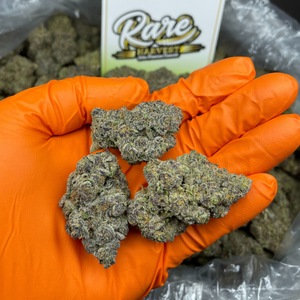
Ready to find your perfect strain? Explore Rare Harvest's curated strain selection, where every product includes detailed lab testing and complete cannabinoid/terpene profiles. Our comprehensive strain library provides detailed information about effects, flavors, and ideal use cases. Start your personalized strain journey with expert guidance and lab-verified quality.