






Indica vs Sativa vs Hybrid: Complete Guide
Cannabis plants are classified into broad categories that historically determined their characteristics, though modern cultivation and genetics have made traditional classifications increasingly complex. Understanding the differences between indica, sativa, and hybrid strains is essential for anyone seeking to select cannabis purposefully, whether for recreational enjoyment, medical benefit, or simple curiosity. These three broad classifications influence everything from plant structure and growth characteristics to cannabinoid and terpene profiles that directly affect how cannabis impacts your mind and body. This comprehensive guide breaks down each classification, explains the genuine differences, debunks common myths, and helps you make informed decisions about which type of cannabis best matches your preferences and needs.
History and Origins of Cannabis Classification
Cannabis classification into indica and sativa varieties originated in the 18th century as botanists studying plants from different geographic regions noted consistent differences in structure and characteristics. Cannabis Indica was identified as originating from the Indian subcontinent and nearby regions, with short, bushy plants and rapid flowering times. Cannabis Sativa was identified as originating from equatorial regions including Central Asia and Mexico, with tall, thin plants and longer flowering times. These geographic origins created selection pressures favoring different characteristics in each variety's native regions. Indicas' short stature and rapid flowering evolved as adaptations to the shorter growing seasons of high-altitude regions. Sativas' tall stature and long flowering evolved in equatorial regions where day length remains relatively constant and seasons less dramatic.
Indica Deep Dive: Characteristics, Effects, Uses
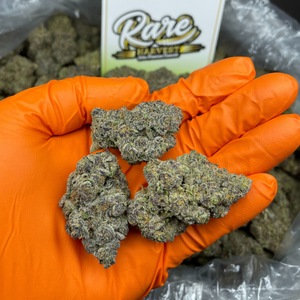
Indica cannabis plants are characterized by short, bushy stature, broad leaves, and dense bud clusters. These physical characteristics originated as adaptations to shorter growing seasons, and they remain consistent in modern cultivation regardless of geographic location. Indica plants typically flower 7-9 weeks and produce substantial yields per plant. Indica effects traditionally emphasize physical relaxation, sedation, and body-centered sensations. This reputation comes from indica's typical terpene profile, dominated by myrcene, linalool, and caryophyllene—terpenes associated with relaxation and pain relief. Users typically report that indicas create "body highs" with heavy physical sensations, sedation, and suitability for evening use. Best uses for indicas include evening relaxation, sleep support, pain management, and anxiety reduction.
Sativa Deep Dive: Characteristics, Effects, Uses
Sativa cannabis plants are characterized by tall stature, narrow leaves, and looser bud clusters spread throughout long cola structures. These physical characteristics originated as adaptations to tropical growing conditions where height provides competitive advantage for light access. Sativa plants typically require 9-12 weeks or longer to flower and develop more slowly than indicas throughout their lifecycle. Sativa effects traditionally emphasize mental stimulation, creativity, focus, and mood elevation. This reputation comes from sativa's typical terpene profile, dominated by limonene, pinene, and terpinolene—terpenes associated with uplifting and energizing effects. Users typically report that sativas create "head highs" with mental clarity, creative thinking, and functional effects suitable for daytime use. Best uses for sativas include daytime consumption, creative projects, social activities, and productivity enhancement.
Hybrid Deep Dive: Combining Characteristics
Hybrid cannabis strains result from crossing indica and sativa genetics, creating plants and effects that represent combinations of parental characteristics. Modern cannabis cultivation produces vastly more hybrids than pure indicas or sativas, as breeders consistently cross varieties to combine desirable traits. Hybrids are classified as indica-dominant (containing more indica genetics), sativa-dominant (containing more sativa genetics), or balanced (representing roughly equal indica and sativa genetics). Hybrid effects depend on the specific genetic combination, but generally represent blends of indica and sativa characteristics. A 70% indica-dominant hybrid might provide substantial relaxation with subtle uplifting mental effects, while a 70% sativa-dominant hybrid might provide uplifting effects with subtle physical relaxation.
Terpene Profiles: The Real Driver of Effects
Modern cannabis science increasingly recognizes that terpene profiles drive effects more than broad indica-sativa classifications. While indicas tend toward myrcene-dominant profiles and sativas toward limonene-dominant profiles, these tendencies create only rough guidelines. A sativa strain with unusually high myrcene content might produce more relaxing effects than expected for the classification, while an indica with high pinene content might provide more mental clarity than typical for indicas. Understanding specific terpene profiles provides more accurate effect predictions than classification alone. Learning to recognize terpene profiles helps you select strains matching your preferences far more accurately than relying on classification alone.
How to Choose Between Indica, Sativa, and Hybrid
The first question is about your intended use case: are you seeking relaxation, energy, or something balanced? Indicas generally suit relaxation goals, sativas suit energy and productivity goals, and hybrids suit balanced or flexible goals. Your schedule matters—evening consumption suggests indicas, daytime consumption suggests sativas, and flexible timing suits hybrids. Consider individual sensitivity and experience level. Beginners often find sativas too stimulating while preferring indicas' more obvious physical effects. Consider flavor and terpene preferences. If you love citrus flavors and uplifting sensations, seeking sativas with limonene dominance makes sense.
Common Myths Debunked
Myth: All indicas are sedating and all sativas are energizing. Reality: While this generalization holds for most strains, significant exceptions exist. Myth: THC and CBD levels determine all cannabis effects. Reality: Terpenes and minor cannabinoids contribute significantly to effects. Myth: The strain name indicates its characteristics. Reality: Multiple strains share the same or similar names, with significant quality and characteristic variation. Myth: Hybrid strains represent perfect balance. Reality: Hybrids range from heavily indica-dominant to heavily sativa-dominant.
FAQ: Indica vs Sativa vs Hybrid
Which classification is best for medical use?
This depends entirely on the medical condition. Pain and insomnia often respond better to indicas, while depression and fatigue often respond better to sativas. Many medical conditions benefit from balanced effects that hybrids provide. Working with healthcare providers familiar with cannabis can help match classification to medical needs.
Can I use the same strain every day?
Yes, but tolerance develops with consistent use regardless of classification. Some users find that rotating between different strains helps maintain effects while preventing tolerance to any single strain's specific profile. Others find consistent use of a preferred strain remains beneficial despite developing tolerance.
Are there strains that don't fit the indica-sativa-hybrid classification?
Modern genetics have made pure indicas and sativas increasingly rare as most commercial strains represent some hybrid genetics. Some argue the classifications should evolve to account for modern genetic complexity, though the existing framework remains useful for rough effect prediction.
Ready to explore the full spectrum of indica, sativa, and hybrid strains? Browse our complete selection organized by type at Rare Harvest and find the perfect strain for your preferences and needs. Whether you're drawn to indica relaxation, sativa energy, or hybrid balance, understanding the characteristics of each classification helps you select strains matching your goals.